Bonefishing Destinations to Explore Globally

Unveiling the Best Smart Home Security Systems of 2024
In an era where technology seamlessly integrates into our daily lives, smart home security systems have emerged as indispensable guardians of our peace of mind. As we navigate through 2024, the market is brimming with innovative solutions designed to cater to diverse needs and preferences. From DIY setups to professionally installed behemoths, choosing the right system can be a daunting task. This comprehensive guide aims to demystify the options, highlight the frontrunners, and help you fortify your home against modern threats.
The Evolution of Home Security
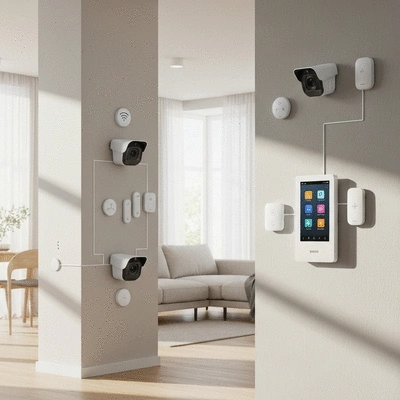
Gone are the days when home security meant just a loud alarm and a few sensors. Today's smart home security systems are sophisticated networks that include high-definition cameras, motion detectors, smart locks, environmental sensors, and seamless integration with other smart home devices. They offer remote monitoring, real-time alerts, and often, professional surveillance, transforming how we protect our homes and loved ones.
The shift towards smart security is driven by several factors: advancements in AI and machine learning for more accurate threat detection, the proliferation of high-speed internet, and a growing consumer demand for convenience and control. These systems are not just about deterring burglars; they're about creating a safer, more responsive living environment.
Key Features to Look for in 2024
When evaluating smart home security systems, certain features stand out as essential for optimal performance and user satisfaction:
- High-Definition Cameras: Look for 1080p or 4K resolution, wide-angle lenses, night vision, and ideally, person detection capabilities to minimize false alarms.
- Motion Detection: Advanced PIR (Passive Infrared) sensors and AI-powered detection can differentiate between pets and intruders.
- Smart Locks: Keyless entry, remote locking/unlocking, and integration with your security system are crucial for modern convenience.
- Environmental Sensors: Smoke, carbon monoxide, flood, and freeze detectors provide comprehensive protection beyond just intrusion.
- Professional Monitoring: While optional, 24/7 professional monitoring offers an added layer of security, ensuring emergency services are dispatched even when you're unavailable.
- DIY vs. Professional Installation: Consider your technical comfort level. DIY systems offer flexibility and cost savings, while professional installation ensures everything is set up correctly.
- Integration Capabilities: Ensure the system works seamlessly with other smart home platforms like Amazon Alexa, Google Assistant, Apple HomeKit, or Z-Wave/Zigbee devices.
- Battery Backup and Cellular Redundancy: Essential for maintaining security during power outages or internet disruptions.
Top Contenders for 2024
After extensive research and testing, several systems have distinguished themselves as leaders in the smart home security market:
1. SimpliSafe: The DIY Champion
SimpliSafe continues to impress with its user-friendly interface, straightforward installation, and robust performance. It offers a wide range of sensors and cameras, including a new wireless outdoor camera, and flexible professional monitoring plans. Its discrete design blends well with any home decor, making it a favorite for renters and homeowners alike seeking a no-fuss solution.
2. Ring Alarm Pro: Amazon's All-in-One Powerhouse
Building on the success of its video doorbells, Ring Alarm Pro integrates a Wi-Fi 6 router with its security system, offering reliable connectivity and local processing power. It boasts an extensive ecosystem of cameras, sensors, and smart lighting, all manageable from the intuitive Ring app. The optional professional monitoring includes cellular backup and even 24/7 internet backup for an always-on home.
The Ring Alarm Pro system is particularly appealing for those already invested in the Amazon ecosystem, offering seamless integration with Alexa-enabled devices. Its eero Wi-Fi 6 mesh router capabilities mean you can blanket your entire home in strong, secure internet, which is crucial for a responsive smart home setup.

3. Arlo Security System: Camera-Centric Excellence
Known for its industry-leading wireless cameras, Arlo has expanded into a full-fledged security system. Its modular design allows users to customize their setup with a variety of sensors, a siren, and, of course, Arlo's renowned cameras. The system excels in video quality, AI-powered object detection, and local storage options, making it ideal for those prioritizing advanced video surveillance.
4. ADT Command: Professional-Grade Protection
For those who prefer a professionally installed and monitored system, ADT Command remains a top choice. It offers a comprehensive suite of security devices, smart home automation, and 24/7 professional monitoring with rapid response times. While it comes with a higher price tag and contractual obligations, ADT's long-standing reputation and extensive network provide unparalleled peace of mind.
5. Google Nest Secure (Discontinued, but ecosystem still relevant)
While Google Nest Secure itself has been discontinued, the Nest ecosystem of cameras (Nest Cam), doorbells (Nest Doorbell), and smart displays (Nest Hub) continues to be a strong contender for smart home security. Integrated with Google Assistant, these devices offer excellent video quality, intelligent alerts, and seamless control. Users can build a robust security setup using individual Nest components, often integrating with third-party security systems for monitoring.
Making the Right Choice
Choosing the best smart home security system boils down to your specific needs, budget, and comfort level with technology. Consider the following:
- Budget: DIY systems generally have lower upfront costs and flexible monitoring plans, while professional systems involve higher installation fees and monthly contracts.
- Home Size and Layout: Larger homes or properties with multiple entry points may require more sensors and cameras.
- Technical Prowess: If you're tech-savvy, a DIY system offers greater customization. If not, professional installation can save you headaches.
- Monitoring Preferences: Decide whether you need 24/7 professional monitoring or if self-monitoring with alerts suffices.
- Existing Smart Home Ecosystem: Compatibility with your current smart devices (Alexa, Google Assistant, etc.) is key for a cohesive smart home experience.
The Future of Smart Home Security
The landscape of smart home security is continuously evolving. We can anticipate further advancements in:
- AI and Machine Learning: More sophisticated algorithms for threat detection, facial recognition (with privacy considerations), and predictive analytics.
- Interoperability: Greater seamless integration between different brands and platforms, moving towards a truly unified smart home experience.
- Edge Computing: More processing power directly on devices, leading to faster response times and enhanced privacy.
- Biometric Security: Fingerprint and iris scanners becoming more common for access control.
As these technologies mature, smart home security systems will become even more intelligent, responsive, and integral to our daily lives, offering unprecedented levels of protection and convenience.
Conclusion
Investing in a smart home security system is investing in peace of mind. The options available in 2024 are more advanced and accessible than ever before, offering solutions for every type of homeowner. By carefully considering your needs and the features highlighted in this guide, you can select a system that not only safeguards your property but also enhances your overall quality of life. Stay secure, stay smart!