Beginner Fishing Spots to Explore
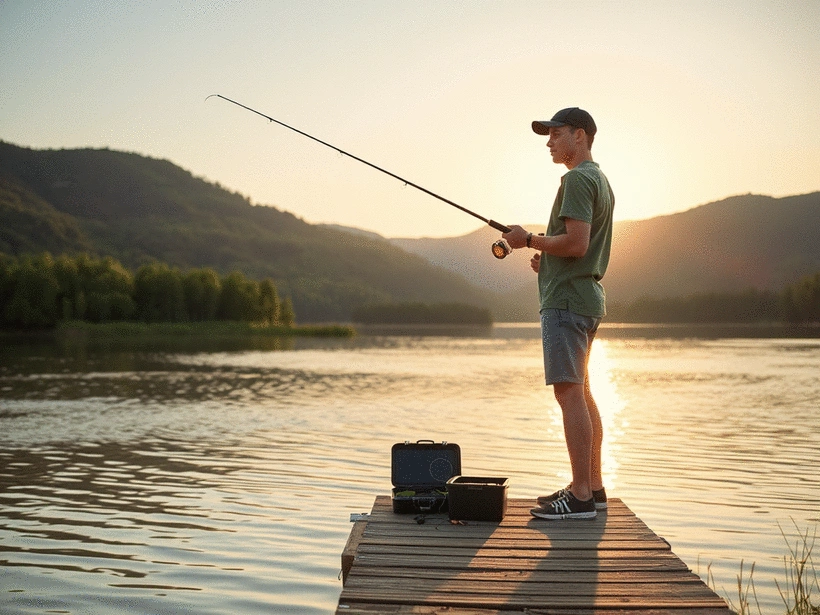
As you prepare to embark on your fishing journey, consider how your experience can be enhanced by understanding the basics. What if the right knowledge could turn a frustrating day on the water into a triumphant catch?
What You Will Learn
- The importance of choosing a beginner-friendly fishing destination with accessible locations and supportive communities.
- Essential fishing skills to develop, including casting techniques and understanding tackle.
- Key local regulations and licensing requirements that every aspiring angler should know.
- The benefits of engaging with the fishing community, including sharing experiences and learning from others.
- Resources to stay updated on fishing reports and trends to improve your fishing outings.
Key Aspects of Beginner Fishing
Fishing for beginners involves understanding key elements to ensure a successful and enjoyable experience. The following visual highlights the essential factors, skills, and regulatory aspects crucial for new anglers.
Beginner-Friendly Destination Factors
- ✓ Accessibility
- ✓ Guided Services
- ✓ Family-Friendly Amenities
- ✓ Variety of Fish Species
Essential Fishing Skills
- ✓ Casting Techniques
- ✓ Understanding Tackle
- ✓ Reading the Water
- ✓ Catch & Release
Licenses & Regulations
- ✓ Research Local Requirements
- ✓ Get Your License
- ✓ Know the Seasons
- ✓ Practice Sustainable Fishing
Community & Resources
- ✓ Join Fishing Clubs
- ✓ Online Discussions
- ✓ Share Stories/Photos
- ✓ Follow Fishing Blogs
Understanding the Basics of Fishing for Beginners
As a passionate angler, I understand that getting started with fishing can be a little daunting. That's why it's essential to grasp the fundamentals before you head out on your first adventure. In this section, we'll explore what makes a fishing destination suitable for beginners, the essential skills you'll want to develop, and the importance of understanding local fishing regulations.
Whether you're a complete novice or just looking to brush up on your skills, diving into the basics will help build your confidence on the water. Let’s take a closer look!
What Makes a Destination Beginner-Friendly?
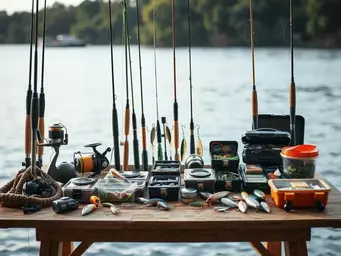
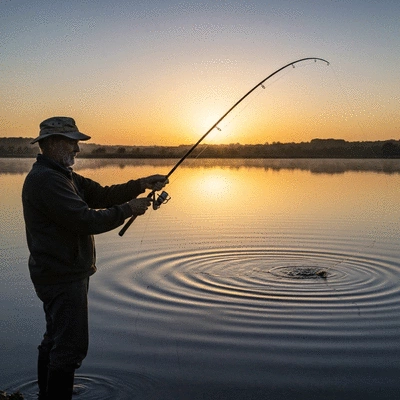
Choosing the right destination can significantly impact your fishing experience. A beginner-friendly spot typically features accessible locations, abundant fish populations, and supportive local communities that are eager to help newcomers. Here are some key factors to consider:
- Accessibility: Look for places with easy access to the water, such as parks or designated fishing areas.
- Guided Services: Destinations offering guided fishing tours can provide invaluable tips and support.
- Family-Friendly Amenities: Locations with facilities, such as picnic areas and restrooms, make for a more enjoyable experience.
- Variety of Fish Species: Beginner-friendly waters usually host fish that are easier to catch, such as panfish or trout.
As you plan your fishing adventures, keep these factors in mind to ensure a positive and engaging experience. It’s all about enjoying the journey and celebrating the connection we have with the water! For a comprehensive guide to getting started, the U.S. Fish & Wildlife Service offers excellent resources for first-time anglers.
Essential Fishing Skills to Develop Before You Start
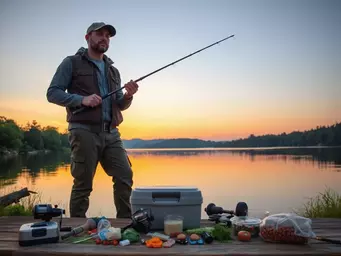
Before you hit the water, there are several fishing skills that can enhance your experience and increase your chances of a successful catch. Here’s a quick rundown of skills to focus on:
- Casting Techniques: Practice your casting to achieve accuracy and distance.
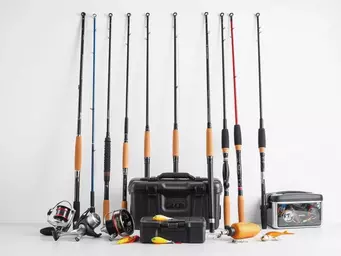
- Understanding Tackle: Familiarize yourself with different types of gear and how to use them effectively.
- Reading the Water: Learn to identify fish habitats and recognize where fish are likely to be.
- Catch & Release: Master the techniques for safely handling and releasing fish back into the water.
Developing these skills will not only improve your fishing technique but also deepen your appreciation for the sport. Are there specific skills you’re looking to master? Let’s share our experiences as we learn together!
Understanding Fishing Licenses and Local Regulations
One of the first steps for any aspiring angler is to familiarize yourself with fishing licenses and local regulations. Each state has its own rules, and it’s crucial to respect them to protect our waters and fish populations. Here’s what you need to know:
- Research Local Requirements: Check your state's fishing regulations for licensing and catch limits. Websites like the South Dakota Game, Fish and Parks provide examples of state-specific fishing information.
- Get Your License: Many states offer online licensing services, making it easy to obtain your fishing permit before heading out.
- Know the Seasons: Be aware of open and closed seasons for different species to ensure responsible fishing.
- Practice Sustainable Fishing: Follow guidelines for catch limits and protected species to support conservation efforts.
By understanding local fishing laws, you’ll not only avoid potential fines but also contribute to a sustainable fishing environment. Remember, the goal is to enjoy our incredible natural resources while preserving them for future generations. Are you ready to cast your line responsibly? For more on responsible fishing, consider exploring the beginner's guide to the National Wildlife Refuge System, which often includes fishing opportunities.
Did You Know?
According to the American Sportfishing Association, nearly 50 million Americans went fishing in 2020, contributing over $45 billion to the U.S. economy. This incredible community is not only vast but also passionate about preserving our natural resources and sharing their love for fishing with future generations.
Frequently Asked Questions About Beginner Fishing
- What are the most important things for a beginner to consider when choosing a fishing spot?
- Beginners should look for accessible locations with easy water access, options for guided services, family-friendly amenities, and waters known to have a variety of fish species that are typically easier to catch, such as panfish or trout.
- What essential skills should a beginner angler develop?
- Key skills for beginners include practicing casting techniques for accuracy, understanding different types of fishing tackle, learning to "read the water" to identify fish habitats, and mastering safe catch-and-release methods.
- Why are fishing licenses and local regulations important?
- Fishing licenses and adherence to local regulations are crucial for protecting fish populations and marine environments. They help manage fish stocks, prevent overfishing, and ensure sustainable fishing practices for future generations. Ignoring these rules can lead to fines.
- How can engaging with the fishing community benefit a beginner?
- Joining the fishing community allows beginners to share experiences, learn new techniques and tips from seasoned anglers, discover local fishing spots, and foster a sense of camaraderie. This can be done through local clubs, online forums, or social media groups.
- What resources should beginners use to stay updated on fishing trends and reports?
- Beginners should follow reputable fishing blogs and websites (like Addict Fishing), subscribe to newsletters for updates on local conditions and regulations, and join mailing lists for local fishing shops. These resources help in planning successful outings and enhancing fishing knowledge.
Wrapping Up Your Fishing Journey
As you reflect on your recent fishing adventures, it’s essential to take a moment to evaluate your overall experience. What worked well for you, and what would you do differently next time? This kind of reflection can help you cultivate your skills and deepen your connection with fishing. Here are some questions to consider:
- Did you catch the species you aimed for?
- How did your gear perform in different conditions?
- What locations provided the best results?
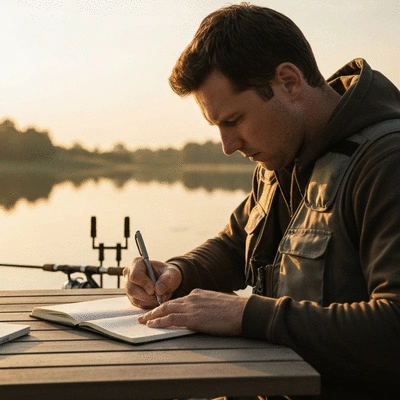
Taking notes in a fishing journal can be a great way to track your progress and identify areas for improvement. Don’t forget to celebrate your successes, no matter how big or small! Each fishing trip is a step in your journey as an angler.
Join the Fishing Community: Share Your Adventures and Learn More
One of the most rewarding aspects of fishing is connecting with fellow anglers. At Addict Fishing, we believe that sharing experiences enriches our community. Whether you’re a novice or a seasoned pro, your stories and insights can inspire others! Consider joining local fishing clubs, online forums, or even social media groups dedicated to fishing.
- Attend fishing meetups or workshops in your area.
- Participate in online discussions about fishing techniques and tips.
- Share your catch photos and stories on social media using hashtags to connect with others.
Engaging with the community not only provides new perspectives but also fosters lifelong friendships. Don’t hesitate to reach out and ask for advice or share your favorite fishing spots!
Staying Updated with Fishing Reports and Local Fishing Blogs
To continue improving your skills, staying informed about fishing reports and trends is key. Resources like local fishing blogs, weather reports, and fish activity calendars can help you plan your next outing effectively. Here are a few tips to keep you in the loop:
- Follow reputable fishing blogs and websites, like Addict Fishing, for expert tips and destination guides.
- Subscribe to newsletters that provide updates on local fishing conditions and regulations.
- Join mailing lists for local fishing shops to receive exclusive deals and industry news.
By keeping yourself updated, you'll be better prepared for future trips, ensuring each outing is not just enjoyable but also productive. Let’s keep the passion for fishing alive and thriving! What resources do you rely on to stay informed? Share your favorites with our community!
Recap of Key Points
Here is a quick recap of the important points discussed in the article:
- Choose Beginner-Friendly Destinations: Look for accessible locations with guided services and a variety of fish species.
- Develop Essential Skills: Focus on casting techniques, understanding tackle, reading water, and practicing catch & release.
- Understand Local Regulations: Research licensing requirements, know the seasons, and practice sustainable fishing to protect natural resources.
- Engage with the Fishing Community: Share your experiences, attend meetups, and participate in online discussions to learn and connect.
- Stay Informed: Follow local fishing reports and blogs to enhance your fishing knowledge and plan successful outings.