Fishing in Fast Water Tips
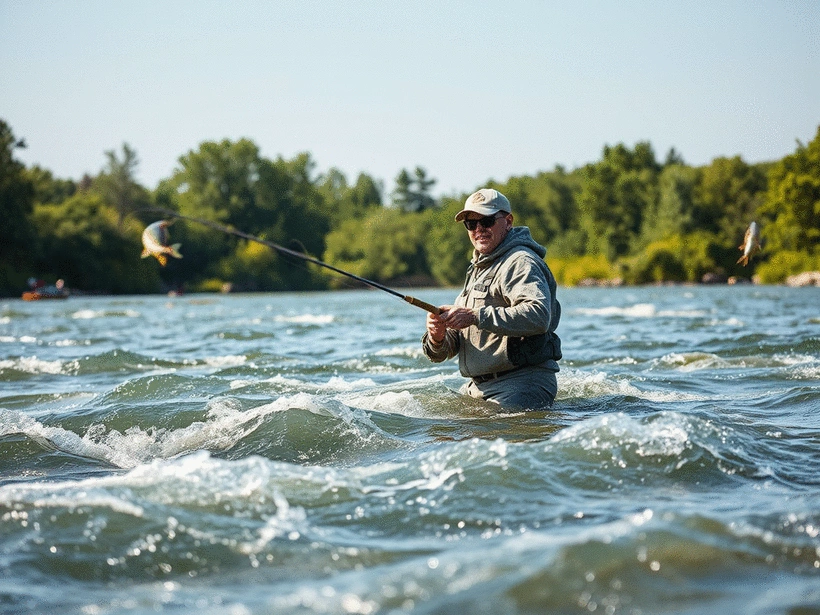
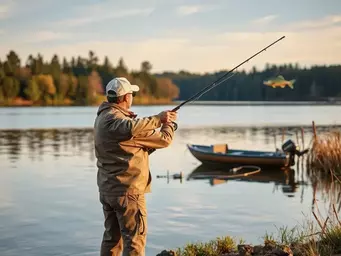
As you prepare to cast your line into the currents, consider this: understanding water dynamics can dramatically enhance your fishing success. Are you ready to unlock the secrets of fishing in fast water?
What You Will Learn
- Current speed influences fish behavior; look for areas with moderate flow for better catches.
- Key features like seams, eddies, and current breaks are prime spots for fish to gather.
- Understanding fish habitats such as rocks and vegetation can help identify potential fishing locations.
- Essential techniques like drift fishing and bottom bouncing can be tailored to specific current conditions.
- Choosing the right fishing gear, including rods and reels, is crucial for navigating fast water effectively.
- Familiarity with local fishing regulations ensures responsible and legal fishing practices, fostering community support.
Key Features for Fishing in Currents
Understanding the dynamics of fast water and identifying key features like seams, eddies, and current breaks are crucial for successful fishing. These elements influence fish behavior, making them primary targets for anglers.
Dynamics of Fast Water
- Current Speed: Fish prefer moderate currents for easier feeding.
- Water Temperature: Warmer water increases fish activity.
- Time of Day: Dawn/dusk are peak activity times in fast water.
Key Fishing Features
- Seams: Fast water meets slow water—ideal feeding grounds.
- Eddies: Circulating water behind obstructions—calm resting spots.
- Current Breaks: Disrupted current areas—fish conserve energy here.
Fish Habitats in Fast Water
- Rocks: Provide shelter and create favorable currents.
- Vegetation: Attract baitfish, creating hotspots for larger fish.
- Drop-offs: Sudden changes in depth, popular for feeding fish.
Essential Gear for Fast Water
- Rods: Medium to medium-heavy action for varying conditions.
- Reels: Smooth drag system (spinning or baitcasting) is key.
- Lines: Braided lines for excellent sensitivity and strength.
Understanding Fishing in Currents: The Basics You Need to Know
Fishing in currents can feel like a thrilling adventure, but understanding the basics is essential for success. As someone who has spent countless hours on the water, I can tell you that knowing how to read the water is just as crucial as having the right gear. Let's dive into the dynamics of fast water and uncover how it impacts our fishing experiences!
The Dynamics of Fast Water and Currents
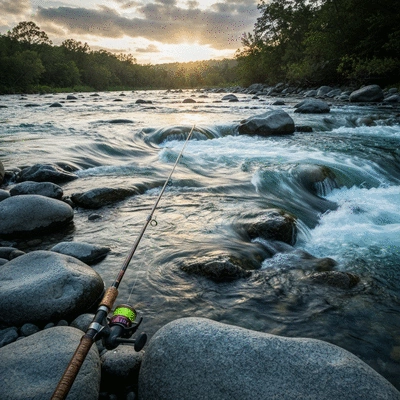
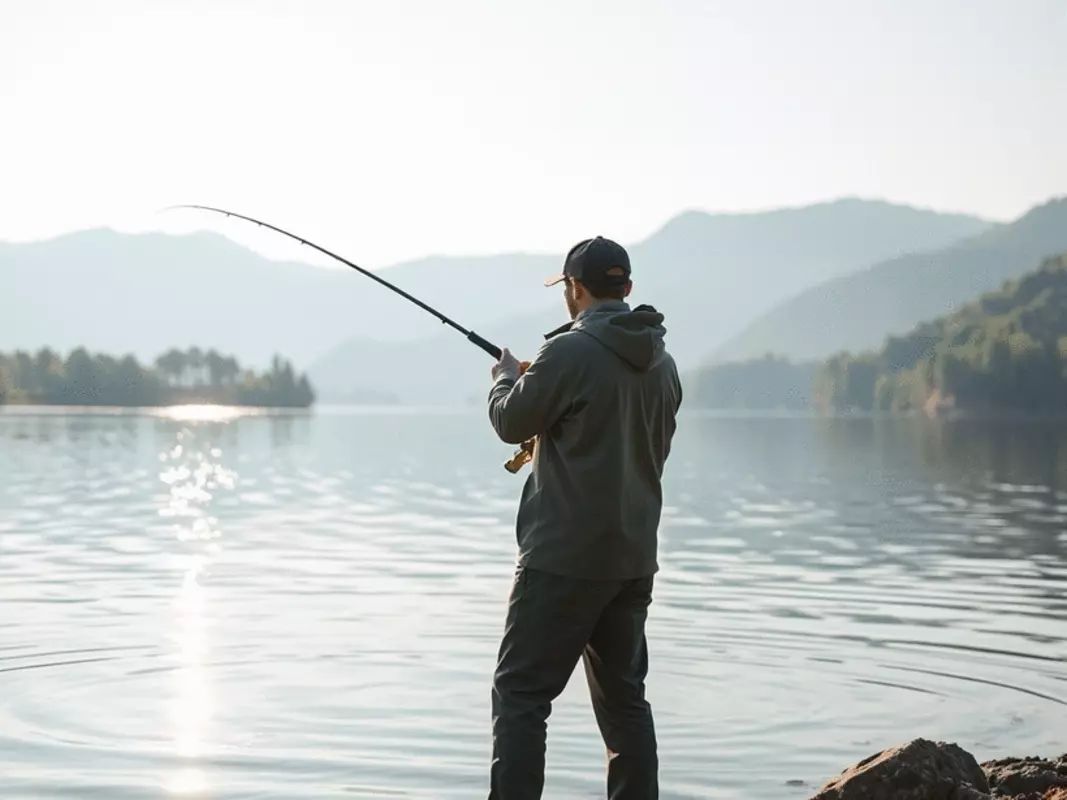
Fast water presents unique challenges, but it also creates opportunities for anglers. When I look at a river or stream, I pay attention to how the water flows. Different currents can affect fish behavior significantly, turning what seems like an ordinary day into a productive fishing trip! The Iowa Department of Natural Resources offers excellent fishing tips and safety guidelines for various water conditions.
- Current Speed: Fish often prefer areas where the current is not too strong, as it makes feeding easier.
- Water Temperature: Warmer water can increase fish activity, while cooler temperatures may slow them down.
- Time of Day: Fish are generally more active during dawn and dusk, especially in fast water.
By monitoring these factors, you can determine where fish are likely to be lurking. Trust me, taking the time to understand how water flow affects fish behavior can make all the difference in your fishing success!
Identifying Key Features: Seams, Eddies, and Current Breaks
When fishing in currents, identifying key features is vital. Some of the most productive spots aren't always apparent at first glance. The seams, eddies, and current breaks are all important locations to target, particularly when you're learning where to fish in rivers and streams.
- Seams: These are areas where fast water meets slower water, creating an ideal feeding ground.
- Eddies: Behind rocks or obstructions, the water circulates, giving fish a calmer environment to rest and ambush prey.
- Current Breaks: Disrupted current areas—fish often use these spots to conserve energy.
Learning to spot these features can drastically improve your chances of landing a big catch! Next time you’re by the water, keep an eye out for these crucial areas—they're often teeming with fish.
Understanding Fish Habitats in Fast Water Environments
In fast water environments, fish rely on specific habitats that provide safety and food. Understanding these habitats can help you predict where fish will be at different times. For example, rocks and fallen trees create essential cover for fish, offering both shelter and a place to find food. By learning about the types of structures that attract fish, you can pinpoint your efforts effectively.
- Rocks: They create currents and provide shelter for fish to hide from predators.
- Vegetation: Aquatic plants can attract baitfish, making them a hotspot for larger fish.
- Drop-offs: These sudden changes in depth can be favorite hangouts for fish looking for a meal.
As you explore various fishing spots, pay attention to these habitats. Knowing where to find fish can save you time and enhance your overall fishing experience!
Essential Techniques for Fishing in Fast Water
Now that we've grasped the basics of fishing in currents, it's time to dive into some essential techniques that will elevate your fishing game. Each method has its own unique advantages and can be tailored to specific conditions. By mastering these techniques, you're setting yourself up for success on the water!
Interactive Poll: What’s Your Go-To Technique?
As you prepare for your next fishing adventure in currents, we'd love to know: What’s your go-to technique for fishing in moving water? Choose one of the following options:
Your Path to Successful Fishing in Currents
As we dive deeper into the world of fishing in currents, it’s essential to recap the techniques and best practices we've discussed. Whether you're a seasoned angler or just starting out, understanding how to navigate fast water can truly enhance your fishing experience. Remember, knowing your environment, adjusting your methods, and having the right gear all play crucial roles in your success.
- Master drift fishing and bottom bouncing techniques.
- Utilize advanced casting methods for precision.
- Adapt your strategies based on seasonal changes.
By applying these strategies, you’ll not only improve your chances of landing fish but also deepen your connection to the water. Let’s take a moment to focus on the gear and preparation necessary for your adventures!
Next Steps: Gear Up and Get Started
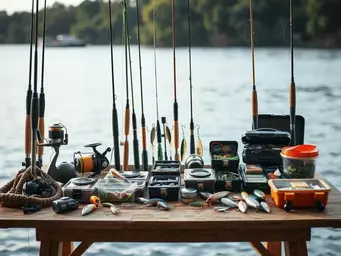
Choosing the right fishing gear is crucial for your success, especially in fast water. When I first started fishing in currents, I learned that having the appropriate equipment can make all the difference. Here are some essential items to consider for your next fishing trip:
- Rods: Look for a medium to medium-heavy action rod to handle varying water conditions.
- Reels: A reliable spinning or baitcasting reel with a smooth drag system is key.
- Lines: Opt for braided lines, which offer excellent sensitivity and strength.
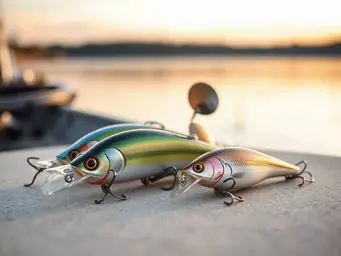
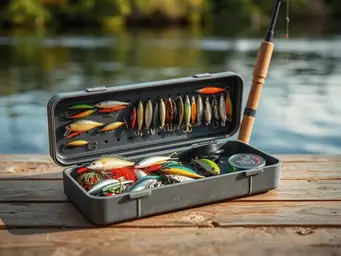
Don’t forget about your tackle! Having a variety of hooks, weights, and lures will allow you to adapt as conditions change. This adaptability is something I always emphasize to fellow anglers—it can really save a fishing trip!
Understanding Local Fishing Regulations and Ethics
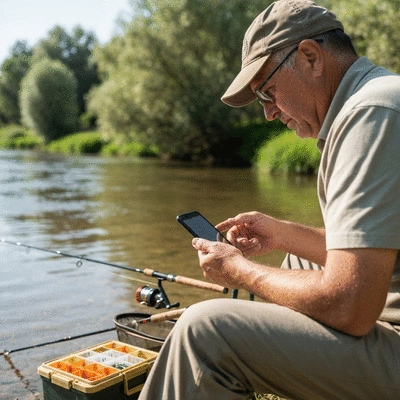
As you gear up for your adventure, it’s equally important to understand local fishing regulations and ethics. Following these guidelines not only ensures you're fishing legally but also helps protect our precious ecosystems. Here are a few key points to remember:
- Familiarize yourself with local catch limits and sizes.
- Practice catch and release whenever possible to support fish populations, utilizing catch and release best practices.
- Be aware of seasonal restrictions to protect spawning fish.
Engaging with local bait shops and fishing guides can also provide valuable insights into the best practices in your area. These connections can enhance your fishing experience while fostering a sense of community among anglers.
Frequently Asked Questions About Fishing in Currents
What makes fast water good for fishing?
Fast water creates unique conditions such as current breaks and eddies, which fish use to conserve energy and ambush prey. These dynamics often concentrate food sources and provide shelter, making them prime spots for anglers.
What are "seams" and why are they important?
Seams are areas where fast-moving water meets slower water. Fish often position themselves in these transition zones to feed on items carried by the faster current while expending less energy in the slower water. They are ideal feeding grounds.
What kind of gear is best for fast water fishing?
For fast water, it's recommended to use a medium to medium-heavy action rod, a reel with a smooth drag system (spinning or baitcasting), and braided lines for their sensitivity and strength. A variety of hooks, weights, and lures are also essential for adaptability.
Why is understanding fish habitats crucial in fast water?
Understanding fish habitats like rocks, vegetation, and drop-offs helps anglers predict where fish will be. These structures provide cover, shelter from currents, and attract baitfish, creating hotspots for larger fish.
How do local regulations impact fishing in currents?
Local fishing regulations, including catch limits, size restrictions, and seasonal closures, are vital for sustainable fishing. Adhering to these guidelines helps protect fish populations and ecosystems, ensuring good fishing for future generations.
Join the Community: Share Your Fishing Stories
At Addict Fishing, we believe that sharing our experiences brings us closer as a community. I encourage you to engage with fellow anglers, whether it’s at a local fishing spot or online. Sharing your fishing stories not only inspires others but also enriches our collective knowledge!
Additionally, don’t forget to subscribe to our newsletter for more tips and insights. We’re here to help you make every fishing trip a memorable adventure. So, what are you waiting for? Let’s cast our lines and create some fishing tales together!
Recap of Key Points
Here is a quick recap of the important points discussed in the article:
- Understand Current Dynamics: Fish prefer areas with moderate current speed and temperature variations can affect their activity.
- Identify Key Features: Focus on seams, eddies, and current breaks for the best fishing spots.
- Recognize Fish Habitats: Look for rocks, vegetation, and drop-offs that provide cover and food for fish.
- Master Essential Techniques: Utilize drift fishing, bottom bouncing, and advanced casting methods tailored to current conditions.
- Gear Up Appropriately: Choose the right rods, reels, and lines to match the fast water environment.
- Follow Local Regulations: Familiarize yourself with catch limits and practice ethical fishing to protect ecosystems.