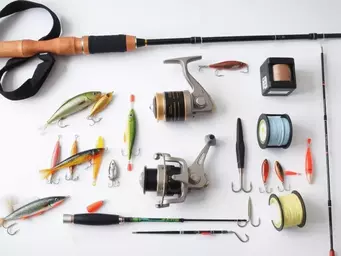
Understanding Fishing Lure Effectiveness
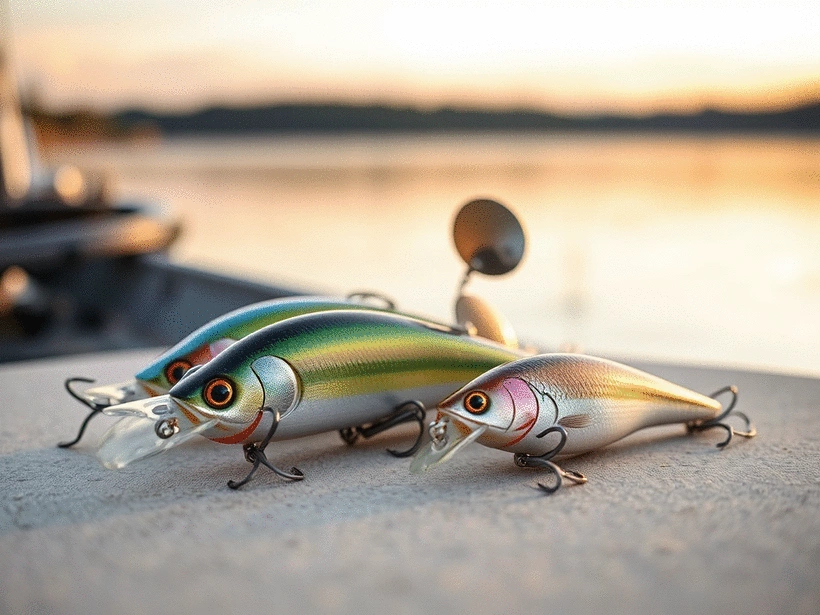
When it comes to fishing, understanding the science behind your lures can transform your experience on the water. Did you know that the right combination of sensory drivers can significantly impact your catch rates? Let's dive into the essential elements that can elevate your fishing game!
What You Will Learn
- Fish rely primarily on vision and sound to locate prey, making sensory drivers crucial for lure selection.
- Choosing the right color based on water conditions can significantly enhance your success rate.
- Sounds and vibrations emitted by lures can trigger predatory responses in fish, increasing your chances of a strike.
- The design elements of lures, including shape and hydrodynamics, affect how they move and attract fish.
- Experimenting with different retrieval techniques—like speed and action—can replicate natural prey behavior.
- Understanding predator-prey dynamics can help you choose lures that mimic local baitfish and enhance your catch rates.
- Incorporating technology, such as sound chips, can make lures more effective in attracting fish.
- Testing various lures and techniques is essential for discovering what works best in specific conditions.
Key Drivers of Fishing Lure Effectiveness
This visual outlines the primary sensory drivers fish use to locate prey and the key lure design features that capitalize on these senses, crucial for successful angling.
Sensory Drivers in Fish Behavior
- Vision (Color, Light)
- Sound (Vibration)
- Lateral Line (Movement)
Key Lure Design Features
- Color Choices (Visibility)
- Hydrodynamics & Shape (Movement)
- Action & Retrieval (Prey Mimicry)
The Science Behind Fishing Lures: Understanding What Makes Them Effective
As an avid angler, I've often marveled at the array of fishing lures available on the market. But what really makes a fishing lure effective? The answer lies in the fascinating science behind how fish perceive their environment. Understanding the sensory drivers that influence fish behavior can help us select the right lures and ultimately improve our catch rates.
In this section, I'll explore the various elements that contribute to the effectiveness of fishing lures, from the sensory perceptions of fish to the intricacies of lure design. Let’s dive in!

The Role of Sensory Drivers in Fish Behavior
Fish are equipped with remarkable sensory systems that help them navigate their underwater world and find food. By grasping how they use vision, sound, and other senses, we can tailor our lure choices to better attract them. Here are the key sensory drivers:
- Vision - Fish rely heavily on sight to locate prey, especially in clear water.
- Sound - Sounds and vibrations can either attract or repel fish based on their natural behaviors.
- Lateral line system - This specialized sensory system detects water movements, helping fish respond to nearby activity.
How Fish Use Vision and Color to Select Prey
When it comes to vision, fish have varying abilities depending on the species and their environment. They are generally more sensitive to certain colors—like blues and greens—especially in deeper waters. In murky conditions, however, brighter colors can stand out more effectively. Choosing the right color for your lure can significantly impact your success rate!
Have you ever noticed how some lures catch more fish than others? The color can be a defining factor. Next time you head out, consider the water clarity and choose colors that will stand out!
Understanding Sound and Vibration: The Impact on Fish Attraction
Sound and vibration play a crucial role in attracting fish. Many species, like bass and trout, are drawn to the sounds of distressed prey or other fish. Using lures that create noise or vibrations can trigger a predatory response, prompting them to strike!
Experimenting with lures that have rattles or unique shapes can help you discover which sounds resonate best with local fish populations.
The Lateral Line System: Mechanoreception and Its Importance
The lateral line system is a unique sensory feature that many fish possess. It allows them to sense changes in water pressure and movement, making them aware of nearby prey or predators. This system is essential for hunting, especially in murky waters where visibility is limited. It's truly fascinating how fish utilize mechanosensory systems to navigate and hunt, proving that by selecting lures that create movement, you can effectively mimic the natural behavior of prey, making them more enticing!
Understanding this system can enhance your approach to selecting lures and retrieving them in ways that stimulate fish curiosity.
Key Features of Lure Design That Influence Success
Now that we've established the sensory aspects of fish behavior, let’s explore how the design of fishing lures contributes to their effectiveness. Various design elements can enhance how a lure performs in the water, influencing its action and appeal to fish.
- Color choices - Different colors can trigger various responses in fish.
- Hydrodynamics and shape - The lure's shape affects its movement through the water.
- Action and retrieval speed - Matching your technique to the lure’s action can make a difference.
- Material composition - Various materials can change how a lure feels and reacts.
Exploring Color Choices: What Works Best for Different Conditions?
Just as light impacts our perception, it significantly influences fish behavior too. Bright colors can attract fish in cloudy waters, while natural hues tend to perform better in clear conditions. Don’t be afraid to switch up your color choices based on the day's conditions!
Every fishing spot has its unique color preferences, so take some time to experiment and see what works best for you.
Hydrodynamics and Shape: How They Affect Action in Water
The shape of a lure determines how it moves through the water. Streamlined lures glide smoothly, while bulkier shapes may create more disturbance. The study of fish hydrodynamics reveals how various body forms, such as those of fishing lures, influence their movement and the way they attract fish. This action can lure fish in from a distance! Play around with different shapes to find out which ones yield the best results.
For instance, some anglers prefer the subtle movements of soft plastics, while others swear by the erratic action of crankbaits. What’s your go-to? Let’s share tips!
Action and Retrieval Speed: Finding the Right Technique
Retrieval speed is critical to how effective your lure will be. Some fish prefer a fast retrieve, mimicking fleeing prey, while others may respond better to a slow, deliberate approach. Varying your speed can trigger different strikes!
Next time you’re out on the water, try changing your retrieval technique to see how fish react. It could lead to some exciting catches!
Material Composition: How Different Materials Affect Lure Performance
The materials used in lure construction also impact performance. For example, plastic lures provide flexibility and realism, while metal lures can produce a unique flash and sound. Understanding how these materials perform in various environments can enhance your fishing experience!
Be sure to consider the feel and durability of your lures, as well. Investing in quality materials can pay off in the long run!
Behavioral Insights: How Different Lures Affect Strike Rates
As we dive deeper into the relationship between lure characteristics and fish behavior, it's essential to consider how different lures can influence strike rates. While the science is fascinating, the practical applications are what truly matter for our fishing adventures.
- Case studies on lure type and fish selectivity - Different lures attract different species.
- The influence of retrieval methods on catch rates - Techniques can vary based on the lure.
- Understanding predator-prey dynamics - Lures must mimic prey in both appearance and action.
Case Studies on Lure Type and Fish Selectivity
Research shows that different fish species are drawn to specific types of lures. For instance, bass often gravitate towards creature baits, while pike may prefer larger, flashier lures. By understanding these preferences, you can refine your tackle box!
It’s worth doing your homework on which lures work best in your local waters. Every spot has unique fish populations that respond to different strategies!
The Influence of Retrieval Methods on Catch Rates
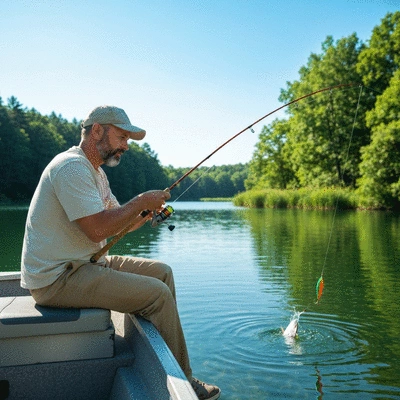
How you retrieve your lure matters just as much as the lure itself. Varying your speed and technique can attract fish that might otherwise ignore a stationary lure. Consider experimenting with pauses or sudden jerks in your retrieval to entice strikes!
Finding the right method often involves trial and error, but it’s all part of the learning journey as anglers.
Understanding Predator-Prey Dynamics: The Role of Fishing Lures
Ultimately, fishing lures must emulate the natural movements and appearances of prey. Understanding the dynamics of predator-prey relationships can guide your lure choices. For a deeper understanding of this complex relationship, the book "Predator-Prey Interactions: Ecological Aspects" offers comprehensive insights. Look for lures that mimic the natural behavior of local baitfish, and you’ll likely see an increase in strikes!
Don’t hesitate to share your experiences in the comments! Let’s learn from each other as we navigate these waters together.
Practical Applications: Selecting and Testing Fishing Lures
With all this knowledge about the science behind lures, it’s time to put it into practice. Selecting the right lure is just the beginning; testing and experimenting can lead to incredible results on the water.
- Matching lures to environmental conditions - Consider depth and clarity.
- Testing your lures - Experimentation is key.
- Incorporating technology - Sound chips and other innovations can enhance lures.
- Exploring casting techniques - Improving presentation can make a difference.
Matching Lures to Environmental Conditions: Depth and Clarity
When selecting your lures, consider the water depth and clarity. In deeper waters, lures must be visible at greater distances, while in murky conditions, the flash can be a game-changer. Tailoring your lure choice to the conditions can lead to more bites!
Take a moment to assess your surroundings before you cast; it could significantly improve your success rate.
Testing Your Lures: A Guide to Experimentation and Validation
Just like any skill, fishing is all about experimentation. Don’t be afraid to try different lures and techniques during your outings. Keep track of what works and what doesn’t, and you’ll build a knowledge base for future trips!
Recording your results can guide your future decisions and enhance your fishing experience.
Incorporating Technology: The Rise of Sound Chips and Other Innovations
Innovations in fishing technology are making waves in the industry. Sound chips integrated into lures can mimic the sounds of distressed prey, making them irresistible to predators. Staying updated on these technologies can give you a competitive edge!
As an angler, embracing these innovations can enhance your fishing experience and help you adapt to changing dynamics on the water.
Exploring Casting Techniques: Improving Your Lure Presentation
Finally, mastering your casting technique can significantly improve your lure presentation, leading to increased strikes. Consider practicing different casting methods and angles to see how they affect your success. The way you present your lure can make all the difference!
As you refine your skills, you’ll likely notice the positive impact on your catch rates. Let’s keep learning and sharing our fishing journeys together at Addict Fishing!
Pro Tip
Did you know? Experimenting with different lure retrieval techniques can significantly enhance your chances of attracting fish. Try varying your speed and incorporating sudden pauses or jerks to mimic the erratic movements of distressed prey. This can trigger a predatory response from fish that might otherwise ignore a stationary lure!
Frequently Asked Questions (FAQs)
- Q: What are the primary sensory drivers fish use to locate prey?
- A: Fish primarily rely on vision, sound/vibration, and their lateral line system to locate prey. Each sense plays a crucial role depending on environmental conditions.
- Q: How important is lure color in fishing?
- A: Lure color is highly important. In clear water, natural hues are often preferred, while brighter colors can be more effective in murky conditions. Fish are more sensitive to certain colors like blues and greens, especially in deeper waters.
- Q: How do sound and vibration affect fish attraction?
- A: Sounds and vibrations mimic distressed prey or other fish, triggering a predatory response. Lures with rattles or unique shapes that create noise can significantly increase strike rates.
- Q: What is the lateral line system and why is it important for lure effectiveness?
- A: The lateral line system is a specialized sensory organ in fish that detects changes in water pressure and movement. Lures that create movement and vibrations can effectively mimic natural prey behavior, making them more enticing to fish through this system.
- Q: How do hydrodynamics and lure shape influence fishing success?
- A: The hydrodynamic design and shape of a lure dictate its movement through the water. Streamlined lures glide smoothly, while bulkier ones create more disturbance, both of which can attract fish depending on their predatory instincts. This movement is key to mimicking natural prey.
- Q: Why is experimentation with lures and techniques important?
- A: Experimentation is crucial because fish behavior varies based on species, environment, and conditions. Testing different lures, colors, retrieval speeds, and techniques helps anglers discover what works best in specific situations, building valuable knowledge for future trips.
Summarizing the Key Takeaways on Fishing Lure Effectiveness
As we wrap up our exploration of fishing lures, it’s essential to distill the key points that can help you enhance your fishing experience. Understanding the science behind how lures attract fish isn't just about the gear; it’s about knowing what drives fish behavior and how we can use that knowledge to our advantage. With the right combination of visual stimuli, sound, and movement, you can significantly increase your chances of landing that big catch.
Here’s a quick summary of what makes fishing lures effective:
- Sensory Drivers: Fish rely on their senses—primarily sight and sound—to locate prey.
- Color and Hydrodynamics: Choosing the right colors and shapes enhances the appeal of your lures in various water conditions.
- Action and Speed: Different retrieval techniques can mimic natural prey behavior.
- Material Matters: The composition of your lures can affect how they perform in the water.
By keeping these principles in mind, you can make informed decisions about the lures you select and how you use them in different fishing scenarios. It’s not just about the catch; it’s about the experience and the knowledge we gain along the way!
Understanding the Science in Practical Terms
Now that we've discussed the scientific aspects, let’s translate that into something you can apply on your next fishing trip. For example, when selecting lures, consider both the water conditions and the species you're targeting. Matching lures with the environment—such as depth and clarity—will yield better results. Remember, it’s not just about what you like; it’s about what the fish are looking for!
Additionally, experimentation is key to mastering fishing techniques. Testing different lures in various conditions can reveal surprising results. I encourage you to take notes on what works best for you and tweak your approach as necessary.
Encouraging Test and Experimentation for Better Results
There’s no substitute for hands-on experience! I’ve found that spending time testing different lures not only builds confidence but also deepens your understanding of fish behavior. By constantly experimenting with your gear, you’ll discover unique patterns and preferences that can elevate your angling skills. Here are a few tips to enhance your experimental approach:
- Vary Your Retrieval Speeds: Play around with how quickly or slowly you retrieve your lures.
- Change Water Depths: Test lures at different depths to see where the fish are biting.
- Adjust Colors Based on Conditions: Use brighter colors in murky water and more natural tones in clear water.
- Seek Feedback: Share your experiences with fellow anglers to gain new insights.
By committing to a mindset of exploration and experimentation, you’ll not only improve your fishing success but also contribute to our shared community knowledge!
Engage with Your Fishing Community for Continued Learning
At Addict Fishing, we believe that the journey of learning doesn’t end with the last cast of the day. Engaging with fellow anglers can open up a wealth of knowledge that enhances your fishing prowess. Together, we can share experiences and insights that benefit everyone in our community. How have you learned from others in your own fishing journey? Let's dive into the ways we can connect!
Sharing Experiences: How Your Insights Can Benefit Others
Your unique fishing stories and insights can make a real difference to others. Whether you’ve had success with a particular lure or learned a valuable technique, sharing these experiences fosters a sense of camaraderie among anglers. I encourage you to share your tips, tricks, and fishing tales—who knows, your story might inspire someone else to try something new!
Call to Action: Join Our Discussion on Fishing Techniques and Innovations
Let’s keep the conversation going! At Addict Fishing, we’re always eager to hear from our community. Join our forums or comment on our blog posts to discuss the latest fishing techniques and innovations. Your voice matters, and together, we can create a vibrant dialogue that benefits all anglers, from beginners to pros!
Connecting with Expert Anglers: Learning from Experience
Don’t hesitate to reach out to more experienced anglers. Often, they have invaluable knowledge that can help you avoid common pitfalls and discover new strategies. You can learn a lot just by observing others and asking questions. I’ve personally gained so much from conversations with fellow anglers over the years, and I’m sure you will too!
Utilizing Online Forums and Fishing Blogs for Knowledge Exchange
Online communities and blogs, such as Addict Fishing, are fantastic resources for ongoing learning. These platforms enable you to connect with a wide array of anglers, sharing advice and experiences in real-time. Bookmark your favorite fishing blogs, and don’t forget to contribute your insights as well! Your participation will enrich our community and your own fishing adventures.
Recap of Key Points
Here is a quick recap of the important points discussed in the article:
- Sensory Drivers: Fish primarily use their senses of sight and sound to locate prey.
- Color and Hydrodynamics: Selecting the right colors and shapes for lures can enhance their visibility and appeal in various water conditions.
- Action and Speed: Different retrieval techniques can effectively mimic natural prey behavior, influencing fish strikes.
- Material Matters: The composition of lures impacts their performance, so consider the materials used when selecting lures.