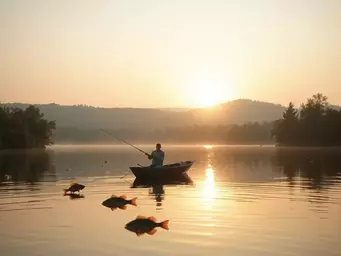
Bait or Lure: Choosing Wisely
As you delve into the world of fishing, understanding the tools at your disposal can significantly enhance your experience. Both live bait and artificial lures have their unique benefits, and mastering them is a journey worth taking. Are you ready to cast your line and learn?
What You Will Learn
- Live bait mimics natural prey, making it effective for attracting fish, especially for beginners.
- Artificial lures come in various types, offering durability and versatility to cover large areas of water.
- Understanding your fishing environment is crucial for choosing the right bait type.
- Engaging with local fishing communities can enhance your skills and provide valuable insights.
- Experimentation with both bait types can lead to discovering effective techniques tailored to your fishing style.
Live Bait vs. Artificial Lures: A Comparison for Anglers
This visual outlines the distinct characteristics, advantages, and applications of live bait and artificial lures, offering insights to enhance your fishing experience.
Live Bait
Mimics natural prey, appealing to fish's instincts. Often preferred by beginners for its natural presentation.
Common Types:
- • Worms
- • Minnows
- • Crickets
- • Leeches
Artificial Lures
Man-made to mimic prey movement & color. Offers durability and versatility for various conditions.
Common Types:
- • Spinnerbaits
- • Crankbaits
- • Soft Plastics
- • Topwater Lures
Understanding the Basics: Live Bait and Artificial Lures
As we embark on our fishing journey together, it's essential to grasp the fundamental differences between live bait and artificial lures. Each type has its unique characteristics, advantages, and applications, making them suitable for different fishing scenarios. Let's dive into what these bait types entail and how you can leverage them to enhance your fishing experience!
Defining Live Bait and Its Common Types
Live bait is any bait that is still alive, typically used to attract fish by mimicking natural prey. Popular choices include worms, minnows, and even insects. Using live bait can create a natural presentation that appeals strongly to fish. A study published in the National Library of Medicine highlights how live bait's natural appeal effectively triggers feeding responses in fish. Here are some of the most common types of live bait:
- Worms: Earthworms and nightcrawlers are favorites for freshwater anglers.
- Minnows: Small fish are excellent for enticing larger predatory species.
- Crickets: Ideal for targeting species like bluegill and bass.
- Leeches: A great option for walleye and northern pike fishing.
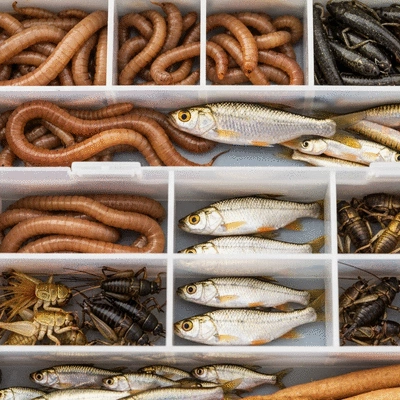
Each type of live bait can be used effectively in various environments, enhancing your chances of a successful catch. It's all about understanding the ecosystem you're fishing in and which bait will resonate best with the local fish population!
Exploring Artificial Lures: Types and Their Uses
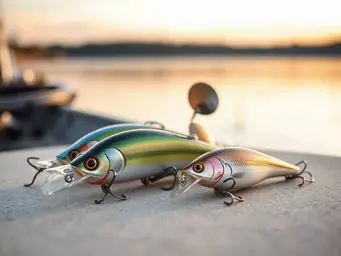
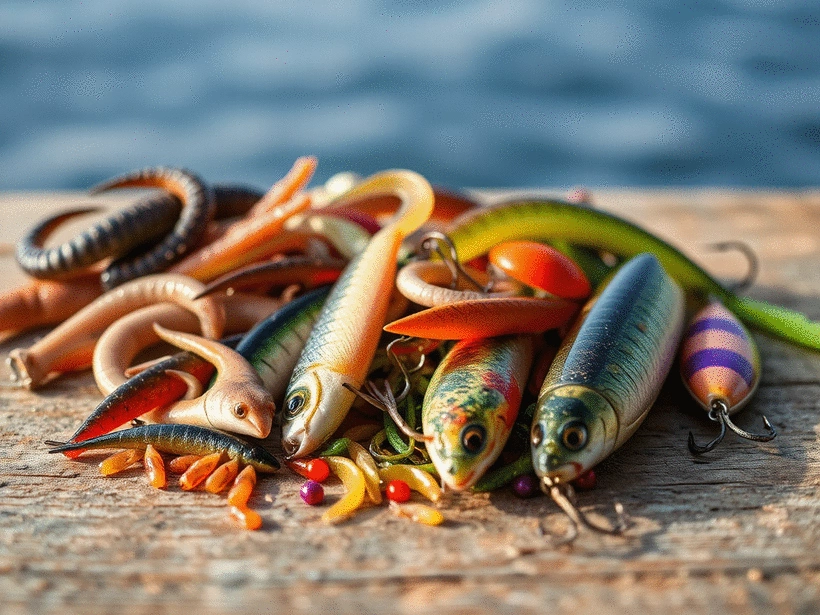
Artificial lures, on the other hand, are man-made baits designed to mimic the movement, color, and other characteristics of prey species. They come in a plethora of shapes, sizes, and colors, allowing anglers like us to tailor our approach based on specific fishing conditions and target species. Common types include:
- Spinnerbaits: These lures create flash and vibration, making them excellent for murky waters.
- Crankbaits: Designed to dive and mimic wounded fish, perfect for attracting predatory species.
- Soft plastics: Versatile and can be rigged in multiple ways for various presentations.
- Topwater lures: Ideal for exciting surface strikes, especially at dawn and dusk.
Artificial lures offer durability and versatility, often allowing anglers to cover more water quickly. Research from Canadian Science Publishing further details how various lure designs effectively stimulate fish, providing insights into their widespread success. With the right technique, these lures can be just as effective as live bait in attracting fish!
Key Fishing Gear for Both Bait Types
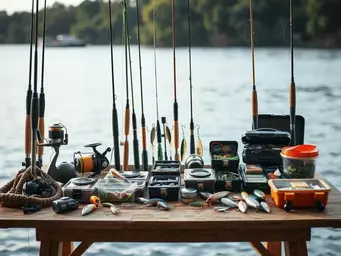
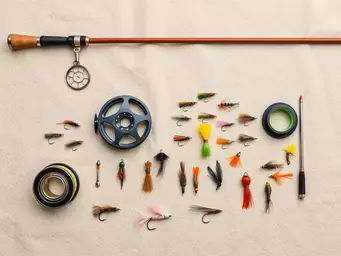
Regardless of whether you opt for live bait or artificial lures, having the right fishing gear is crucial. Here are some essential items that every angler should consider:
- Rods and Reels: Choose a rod and reel combo suited for the type of fish you're targeting.
- Fishing Line: Select the right weight and type based on your bait and fishing environment.
- Tackle Box: Keep your bait and lures organized for quick access while on the water.
- Hooks and Weights: Ensure you have an assortment to match your bait type and fishing conditions.
Having the right gear not only enhances your fishing experience but also increases your chances of making that memorable catch. Remember, it's all about being prepared and adaptable to the ever-changing conditions on the water!
Interactive Poll: Your Bait Preference!
As we explore the fascinating world of fishing, we'd love to hear from you! Which type of bait do you prefer when you're out on the water?
Frequently Asked Questions (FAQs)
- Q: What is the main difference between live bait and artificial lures?
- A: Live bait consists of actual living organisms (e.g., worms, minnows) that appeal to a fish's natural instincts, often preferred by beginners. Artificial lures are man-made imitations designed to mimic prey movement and appearance, offering durability and versatility for various fishing conditions.
- Q: What are some common types of live bait?
- A: Common types of live bait include worms (earthworms, nightcrawlers), minnows, crickets, and leeches. Each is effective for different fish species and environments.
- Q: What are some common types of artificial lures?
- A: Popular artificial lures include spinnerbaits (for flash and vibration), crankbaits (to mimic wounded fish), soft plastics (versatile rigging), and topwater lures (for surface strikes).
- Q: What essential gear do I need for fishing, regardless of bait type?
- A: Essential fishing gear includes appropriate rods and reels for your target fish, the correct fishing line weight and type, a tackle box for organization, and an assortment of hooks and weights to match your bait and conditions.
- Q: Why is experimentation important in fishing?
- A: Experimenting with both live bait and artificial lures allows anglers to discover what works best for their specific fishing style, gear, and target species under varying conditions. It enhances skill development and increases the chances of a successful catch.
Summarizing the Live Bait vs Artificial Lures Debate
As we wrap up our exploration of live bait versus artificial lures, it's essential to highlight the key takeaways for every angler. Both options have their unique advantages, and understanding them can significantly impact your fishing experience. At Addict Fishing, we believe that whether you prefer the thrill of live bait or the versatility of artificial lures, there's no right or wrong choice—just what works best for you on any given day!
Here are some important points to remember:
- Live bait often appeals to the more natural instincts of fish, making it a great choice for beginners.
- Artificial lures provide durability and the ability to cover a wide range of water, allowing anglers to be more versatile in their approach.
- Experimenting with different techniques can lead to discovering what works best for you, your gear, and the species you are targeting.
Ultimately, embracing both methods can enhance your skills as an angler! What's been your experience? Are you leaning more towards one technique over the other? Let's dive deeper into the community aspect of fishing!
Key Takeaways for Every Angler
Every angler's journey is unique! Here are some customized insights to help you decide when to choose live bait or artificial lures:
- Know Your Environment: Different fishing locations call for different approaches. Always assess your surroundings!
- Adapt Your Strategy: Fish behavior can change based on weather and water conditions; stay adaptable to increase your chances of a good catch.
- Learn and Share: Engage with your fellow anglers to learn from their experiences and share your own!
The fishing world is vast, and every trip offers a new lesson. Embrace the diversity of techniques and you’ll find what resonates with your angling style!
Encouraging Experimentation with Both Techniques
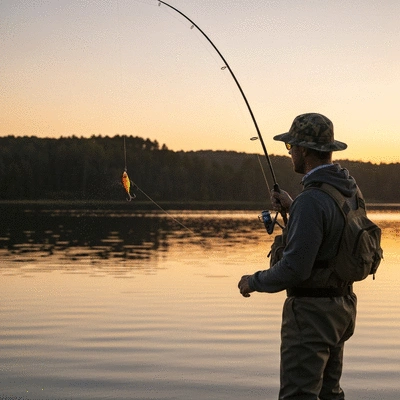
One of the most rewarding aspects of fishing is the chance to experiment! Whether you’re a novice or a seasoned pro, trying out both live bait and artificial lures can lead to surprising results. During my fishing adventures, I often switch between the two based on how the fish are behaving. It's all about being in tune with the water!
Here are some tips to help you get started:
- Mix It Up: Alternate between live bait and various types of lures during a single outing.
- Observe Catch Rates: Keep track of what works best in different conditions to refine your approach.
- Ask Peers: Engage with fellow anglers to find out what techniques have been successful for them.
Don’t hesitate to share your thoughts in the comments! Have you found a favorite bait that never fails? Let’s inspire each other!
The Role of Local Fishing Communities in Skill Development
At Addict Fishing, we believe that local fishing communities play a vital role in skill development and learning. Connecting with others who share your passion can provide insights that you might not find in books or online articles. The U.S. Fish and Wildlife Service emphasizes the importance of community involvement in promoting sustainable fishing practices and knowledge sharing. Plus, it creates a supportive environment where you can grow as an angler.
Here are some ways to engage with your local fishing community:
- Join Clubs or Groups: Look for local fishing clubs or online groups where you can share experiences and techniques.
- Participate in Workshops: Attend local workshops or clinics to learn from experienced anglers.
- Fish Together: Organize group outings to explore new waters and share tackle tips.
By actively participating in your local fishing community, you can enhance your skills and make lasting friendships. Let’s keep this passion alive together!
Connecting with the Angling Community
As we continue this journey, remember that fishing is more than just a solitary activity. It's about building connections with fellow anglers and sharing our love for the sport. I'm excited to dive into how we can all come together!
Recap of Key Points
Here is a quick recap of the important points discussed in the article:
- Understand Live Bait: Popular types include worms, minnows, crickets, and leeches, appealing to fish's natural instincts.
- Explore Artificial Lures: They offer versatility with types like spinnerbaits, crankbaits, and soft plastics, allowing for varied fishing techniques.
- Essential Gear: Equip yourself with the right rods, reels, fishing lines, and tackle to enhance your fishing experience.
- Know Your Environment: Assess fishing locations to choose the best bait or lure for the conditions.
- Engage with the Community: Share experiences, learn from peers, and participate in local fishing clubs to grow your skills.