Essential Fly Fishing Techniques Explained

As you embark on your fly fishing journey, enhancing your skills and knowledge can elevate your experience to new heights. Let's dive into the essential techniques and insights that can transform your time on the water!
What You Will Learn
- Master the art of fly selection by matching flies to local hatches and fish diets.
- Understand the importance of presentation in fly fishing for increased success.
- Develop essential casting techniques, including backcasting and roll casts, for improved accuracy.
- Learn to read the water and identify optimal fishing spots for different species.
- Stay committed to continuous improvement by practicing regularly and engaging with the fly fishing community.
- Embrace conservation efforts by following local regulations and promoting sustainable fishing practices.
Essential Fly Fishing Techniques Overview
Mastering fly fishing involves understanding core concepts, key skills, and specific casting techniques. This visual summarizes the foundational elements for a successful fly fishing experience.
Understanding the Basics
- Fly Selection
- Presentation
- Environment Awareness
Key Skills to Master
- Casting Techniques
- Line Control
- Reading the Water
Common Casting Techniques
- Backcasting
- Roll Cast
- Double Haul
Continuous Improvement & Community
- Regular Practice & Workshops
- Join Local Clubs & Online Forums
- Conservation & Regulations
Essential Fly Fishing Techniques for Targeting Trout, Bass, and Panfish
Whether you're a seasoned angler or just starting your journey, mastering the essential fly fishing techniques can significantly enhance your experience on the water. Fly fishing stands apart from traditional fishing methods by utilizing artificial flies to mimic the insects that fish naturally prey upon. This technique requires a unique skill set and understanding of fish behavior, making it both an art and a science!
At Addict Fishing, we believe that diving into the core principles of fly fishing is crucial for every angler. The joy of watching a fish rise to your fly rewards all the effort put into learning these techniques. Let’s explore the key skills every fly fisher should master to improve your chances of landing that trophy catch!
Understanding the Basics of Fly Fishing
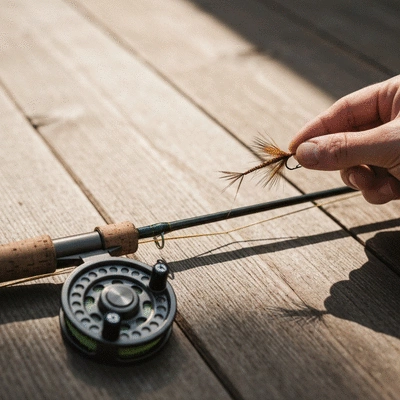
At its core, fly fishing revolves around the use of lightweight artificial flies and specialized gear that allow for delicate presentations on the water. Unlike traditional fishing, which often relies on bait, fly fishing mimics the natural food sources of fish, such as insects and other small organisms. This technique involves casting a nearly weightless fly line, making precision and finesse critical. For a deeper understanding of the scientific principles behind fly fishing, you can explore resources like The Science of Fly Fishing from the Adirondack Watershed Institute.
- Fly Selection: Choose flies that match the local hatch or the fish's preferred diet.
- Presentation: The way you present your fly can mean the difference between a catch and a miss.
- Environment Awareness: Understanding the water and its structure is essential for effective fishing.
As I’ve learned through countless hours on the water, the right fly paired with an understanding of your environment can make all the difference. Don’t forget to adapt your techniques based on the conditions around you!
Key Skills Every Fly Fisher Should Master
To really excel in fly fishing, there are a few critical skills you should develop:
- Casting Techniques: Focus on your backcasting and forward cast to improve accuracy.
- Line Control: Mastering how to manage your line is essential for effective presentations.
- Reading the Water: Knowing where fish are likely to be can enhance your success rate.
For example, practicing your casting in different environments helps you adapt to various fishing situations. I remember my first time casting in a breezy location—it was a challenge! But with practice, I learned to control my line better, leading to more successful catches.
Common Casting Techniques for Fly Fishing
To maximize your fly fishing effectiveness, honing your casting techniques is vital. Here are some essential methods to consider:
- Backcasting: This technique allows you to load your rod and prepare for the forward cast.
- Roll Cast: Ideal for tight spaces, the roll cast helps you deliver your fly without a full backcast.
- Double Haul: This advanced technique increases line speed, allowing for longer casts and better accuracy.
As you practice these techniques, you’ll notice that each adds a layer of finesse to your fly fishing. I often encourage anglers to record themselves while casting; it’s a fun way to track improvements and identify areas for growth! For more comprehensive research on fly fishing, consider exploring databases like EBSCO Research Starters on Sports and Leisure: Fly Fishing.
Species-Specific Fly Fishing Techniques
When targeting specific species like trout, bass, and panfish, tailor your approach for even better results!
Interactive Poll: Your Fly Fishing Techniques
As you refine your fly fishing skills, we’d love to know which technique has made the biggest impact on your success. What’s your go-to technique for landing fish? Share your thoughts below:
Frequently Asked Questions About Fly Fishing Techniques
Q: What are the most important basic skills for fly fishing?
A: The most important basic skills include proper fly selection, effective presentation, and environmental awareness to understand your fishing surroundings.
Q: How can I improve my casting accuracy in fly fishing?
A: Improving casting accuracy involves focusing on your backcasting and forward cast. Regular practice in different environments and even recording yourself can help you refine your technique.
Q: What is the "Double Haul" technique and why is it important?
A: The Double Haul is an advanced casting technique that increases line speed, allowing for longer and more accurate casts. It's particularly useful for covering more water or casting into windy conditions.
Q: Why is "reading the water" crucial for fly fishing success?
A: Reading the water helps you identify optimal fishing spots where fish are likely to be found, based on water currents, structure, and potential food sources, significantly enhancing your success rate.
Q: How can fly fishers contribute to conservation efforts?
A: Fly fishers can contribute to conservation by adhering to local fishing regulations, practicing catch and release, participating in clean-up events, and educating others about sustainable fishing practices.
Wrapping Up Your Fly Fishing Journey
Continuous Improvement: Tips for Aspiring Anglers
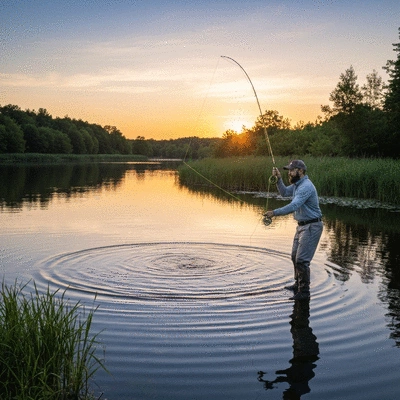
As an angler, the journey of fly fishing is never truly complete. There’s always something new to learn or a technique to refine! Here are some tips to help you continuously improve your skills:
- Practice regularly to enhance your casting techniques.
- Attend workshops or clinics hosted by experienced anglers.
- Watch online tutorials to learn new methods and styles.
- Keep a fishing journal to track your experiences and progress.
By incorporating these strategies into your routine, you'll find yourself becoming more confident on the water. Remember, each fishing trip is an opportunity to grow and enjoy the sport even more!
Join the Fly Fishing Community for Support
Connecting with other anglers can profoundly enhance your fly fishing experience! Engaging with a community provides not only support but also invaluable insights. Consider these options to connect:
- Join local fishing clubs to meet fellow anglers.
- Participate in online forums and social media groups dedicated to fly fishing.
- Attend fishing expos and meet-ups for hands-on learning and networking.
Building relationships with others who share your passion helps create a vibrant fishing community. Sharing tips and stories enriches our connection to the sport and each other!
Understanding Conservation and Local Regulations
As we enjoy the thrill of fly fishing, we must remember our role as stewards of the environment. Conservation efforts are vital to ensuring that our favorite fishing spots remain vibrant and productive. Here’s how you can contribute:
- Stay informed about local fishing regulations and adhere to them.
- Practice catch and release to help maintain fish populations.
- Participate in local clean-up events to preserve aquatic habitats.
- Educate others about sustainable fishing practices.
By prioritizing conservation, we not only protect the waters we love but also ensure future generations can enjoy the same fishing adventures. For an academic perspective on fisheries management and conservation, including the impact of angler behavior, refer to peer-reviewed journals such as Fisheries Management and Ecology. Let's work together to keep our fisheries thriving!
Recap of Key Points
Here is a quick recap of the important points discussed in the article:
- Fly Selection: Choose flies that match the local hatch or the fish's preferred diet for better success.
- Casting Techniques: Focus on mastering backcasting, roll casts, and double hauls to improve your accuracy and distance.
- Environment Awareness: Understand the water's structure and where fish are likely to be for effective fishing.
- Continuous Improvement: Regular practice and engaging with the fishing community can enhance your skills and knowledge.
- Conservation Efforts: Adhere to local regulations, practice catch and release, and participate in clean-up events to protect aquatic habitats.