Care Tips for Fishing Tackle

Have you ever found yourself struggling on a fishing trip because of faulty gear? Proper maintenance can make all the difference. Here are key insights to elevate your fishing experience!
What You Will Learn
- Regular cleaning prevents corrosion, especially in saltwater environments.
- Well-maintained gear enhances performance, increasing your chances of a successful catch.
- Identifying signs of wear and tear early can save you from costly replacements.
- Proper storage techniques can significantly extend the lifespan of your tackle.
- Understanding when to repair versus replace your gear is key to maintaining your investment.
- Regular maintenance boosts resale value if you decide to upgrade your equipment.
Key Benefits of Regular Tackle Maintenance
Investing a little time in maintaining your fishing tackle not only saves you money but also enhances your overall fishing experience. Here are the core benefits:
Prevention of Corrosion
Regular cleaning keeps your gear free from rust and corrosion, especially in saltwater environments.
Enhanced Performance
Well-maintained tackle performs better, leading to more successful and enjoyable fishing outings.
Cost-Effectiveness
Proper care prevents frequent replacements, saving you money on expensive gear over time.
Increased Resale Value
Well-maintained gear retains higher value if you decide to upgrade or sell, protecting your investment.
Understanding the Importance of Fishing Tackle Maintenance
As an avid angler, I can’t stress enough how crucial it is to maintain your fishing tackle. Proper care extends the life of your gear, ensuring that every fishing trip is as successful as possible! Without regular maintenance, even the best gear can fall victim to wear and tear, leading to frustrating days on the water. So, let’s dive into why tackle maintenance is essential for all anglers.
First off, investing a little time in maintaining your tackle not only saves you money in the long run but also enhances your overall fishing experience. Think of your fishing gear as an extension of yourself; when it’s in top shape, you’re bound to feel more confident out there on the water. Plus, who doesn’t want to catch that trophy fish without worrying about their gear failing?
Why Proper Care Extends the Life of Your Gear
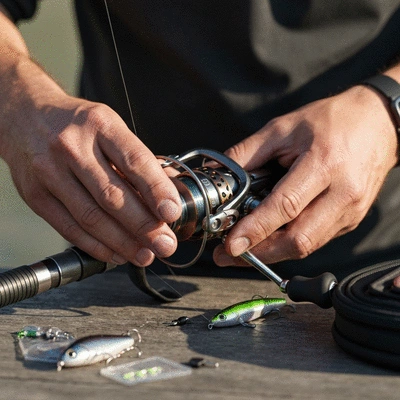
Proper maintenance can significantly lengthen the lifespan of your fishing tackle. Here’s how:
- Prevention of Corrosion: Regular cleaning keeps your gear free from rust and corrosion, especially if you fish in saltwater.
- Enhanced Performance: Well-maintained tackle performs better, leading to more successful fishing outings.
- Cost-Effectiveness: Replacing gear can be expensive, but proper care can save you from frequent purchases.
By incorporating these practices into your routine, you ensure that your equipment is always ready for action, whether you're out for a relaxing day of fishing or a competitive tournament!
Recognizing Common Signs of Wear and Tear
Knowing when your gear needs attention is key to effective maintenance. Here are some signs that indicate it might be time to give your tackle some TLC:
- Fraying fishing lines or worn guides on your rod
- Unusual noises from your reel while casting or retrieving
- Rust or discoloration on metal components
Taking the time to inspect your gear regularly can help catch these issues before they turn into bigger problems. Remember, prevention is always better than cure! For more detailed guidance on maintaining your fishing equipment, the Fairfax County Park Authority offers valuable tips on maintaining your fishing equipment.
Essential Fishing Tackle Components and Their Maintenance
Now that we understand the importance of maintenance, let's take a closer look at the essential components of fishing tackle and how to care for them effectively.
Interactive Poll: Your Gear Maintenance Routine
As we explore the essentials of fishing tackle maintenance, we want to hear from you! How often do you perform maintenance on your fishing gear?
Addressing Common Fishing Gear Maintenance Questions
As an avid angler, I've encountered countless questions from fellow fishing enthusiasts about how to best care for their tackle. It’s a topic that affects everyone, whether you're just starting out or have years of experience under your belt. Let's dive into some common questions and clear up any confusion regarding fishing gear maintenance!

How Do I Know When to Repair Versus Replace Gear?
Understanding when to repair your gear or replace it altogether can save you money in the long run. First, consider the extent of the damage. Minor issues, like a frayed line or a loose handle, can often be repaired easily. However, if you notice:
- Cracks or severe dents in your rod or reel
- Corrosion on key components that affect performance
- Major failures that impact safety or usability
it's usually best to replace that piece of gear. Keeping a close eye on these signs can help you make the right decision and keep your fishing experience enjoyable!
What Are the Cost Benefits of Regular Maintenance?
Regular maintenance is crucial for any angler looking to maximize the lifespan of their equipment. In fact, investing a little time and effort can lead to significant cost savings. Here are some key benefits:
- Fewer Replacements: By maintaining your gear, you're less likely to face unexpected replacement costs.
- Improved Performance: Well-maintained tackle performs better, leading to more successful fishing trips.
- Increased Resale Value: If you decide to upgrade, properly maintained gear retains a higher resale value.
In essence, regular maintenance not only protects your investment but also enhances your overall fishing experience!
How Can I Extend the Life of My Fishing Tackle?
Extending the life of your fishing tackle is a goal every angler should strive for. With a few simple practices, you can ensure that your gear serves you well for many seasons. Consider these tips:
- Clean Your Gear Regularly: After each fishing trip, rinse off any dirt, salt, or debris.
- Store Gear Properly: Use a cool, dry place to keep your tackle out of direct sunlight and moisture.
- Check for Wear: Regularly inspect your reels, rods, and lines for any signs of damage.
By incorporating these practices into your routine, you’ll not only enjoy more successful fishing trips but also create lasting memories on the water! For more information on how to properly maintain and store your fishing equipment, the Mass.gov site provides excellent advice on how to maintain and store your fishing equipment.
Frequently Asked Questions About Fishing Tackle Maintenance
Here are some common questions to help you keep your fishing gear in top condition:
- Q: Why is regular fishing tackle maintenance important?
- A: Regular maintenance prevents corrosion, enhances performance, saves money on replacements, and increases the resale value of your gear. It ensures your equipment is reliable for every fishing trip.
- Q: How often should I clean my fishing gear?
- A: It's best to rinse your gear after each use, especially if fishing in saltwater, to remove salt, dirt, and debris. A deeper clean and inspection should be done seasonally or after heavy use.
- Q: What are the key signs that my fishing gear needs attention?
- A: Look for fraying lines, unusual noises from your reel, rust or discoloration on metal components, and any cracks or damage to your rod. Timely inspection can prevent minor issues from becoming major problems.
- Q: When should I repair a piece of gear versus replacing it?
- A: Minor issues like frayed lines or loose handles can often be repaired. However, if there are severe cracks, significant corrosion affecting performance, or major failures impacting safety, it's generally best to replace the gear. Considering the trends in fishing equipment may also influence your decision.
- Q: What are the best ways to store fishing tackle?
- A: Store your gear in a cool, dry place away from direct sunlight and moisture. Ensure rods are hung or stored upright to prevent warping, and reels are cleaned and lubricated before storage to prevent seizing.
Recap of Key Points
Here is a quick recap of the important points discussed in the article:
- Regular maintenance prevents corrosion and enhances the performance of your fishing gear.
- Common signs of wear include fraying lines, unusual reel noises, and rust on components.
- Understand when to repair or replace gear to save money and ensure safety.
- Investing time in maintenance leads to fewer replacements and improves overall fishing success.
- Key maintenance practices include regular cleaning, proper storage, and routine inspections for damage.