Fall Bass Fishing Lure Insights
As the leaves change and temperatures drop, anglers face a unique challenge: how to adapt their fishing strategies for bass in the fall. With shifts in behavior and feeding patterns, knowing what works best can mean the difference between a memorable day on the water and coming home empty-handed. Dive in to discover essential tips, tactics, and lure selections that will elevate your fishing game this season!
What You Will Learn
- Understanding how cooling water temperatures affect bass behavior and feeding patterns.
- Key temperature thresholds to guide your lure selection for optimal results.
- Effective lure types, including crankbaits, spinnerbaits, and jerkbaits, tailored for fall fishing.
- The importance of color strategies based on water clarity and seasonal transitions.
- Tailoring your approach based on regional insights for different U.S. fishing environments.
- Matching your rod and reel with lure selections to maximize performance on the water.
Fall Bass Lure & Temperature Strategy
Optimize your fall bass fishing success by matching lures to water temperature and conditions. The visual below outlines key thresholds and effective lure types.
Water Temperature Thresholds
Above 70°F
Bass are highly active, found shallower.65°F to 70°F
Transitional phase, bass may move deeper.Below 65°F
Bass become sluggish, require slower presentations.Effective Fall Lure Types
Crankbaits
Cover water quickly, target varying depths.Spinnerbaits
Flash & vibration mimic baitfish, versatile.Jerkbaits
Erratic action provokes strikes in colder water.Soft Plastics
Flexible rigging options for various conditions.Umbrella Rigs
Mimic school of baitfish, effective for hungry bass.Color Strategies
Natural Colors
Clear water, mimic local baitfish.Bright Colors
Murky water, stand out.Dark Colors
Low light or stained water.Regional Lure Insights
Northern Lakes
Crankbaits & Jerkbaits (cooler waters).Southern Reservoirs
Spinnerbaits & Soft Plastics (aggressive bass).Pressured Waters
Finesse techniques & stealthy presentations.Understanding Bass Behavior in Fall Conditions
As we transition into fall, the behavior of bass begins to shift dramatically. Understanding these changes is essential for any angler looking to optimize their catch during this mesmerizing season. The cooling water temperatures influence not only where bass will be but also what they will be feeding on. Let’s dive into some key factors on how water temperature affects lure selection and bass feeding patterns, so you can up your game this fall!
The Impact of Water Temperature on Lure Selection
Water temperature is a pivotal element in determining bass activity. As temperatures drop, bass become more focused on fattening up before winter, thus altering their feeding behavior and preferences. Knowing the temperature thresholds can help you choose the right lures to match their moods.
Key Temperature Thresholds for Fall Bass Fishing
- Above 70°F: Bass are highly active and can be found shallower.
- 65°F to 70°F: A transitional phase where bass may start moving to deeper waters.
- Below 65°F: Bass become sluggish; targeting them requires slower presentations.
These temperature thresholds are my go-to guide when planning a fishing trip. Adjusting my lures based on these temperatures has made a real difference in my catches!
How Water Cooling Affects Bass Feeding Patterns
As the water cools, bass tend to school up and feed in more concentrated areas. They often move toward the shallows in search of baitfish, but as temperatures dip further, they may retreat to deeper structures. Understanding this behavior allows you to adapt your fishing strategies.
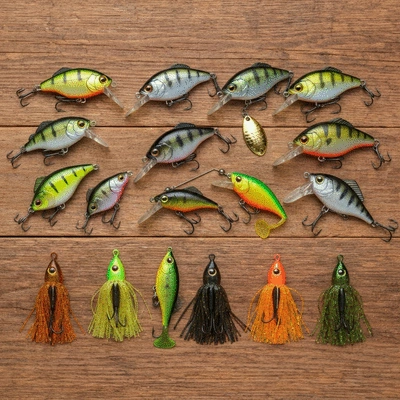
For instance, if you’re out on a chilly morning and the water is below 65°F, consider focusing your efforts on rocky points or drop-offs where bass might be holding tight. The right lure choices can make all the difference in these conditions!
Effective Lure Types for Fall Bass Fishing
With the ever-changing behavior of bass in fall, knowing which lures to use is crucial. As the days get shorter and the temperatures cool down, certain lures have proven to be more effective. Let’s explore some of the best lure types to consider for your fall bass fishing adventures!
Leveraging Crankbaits for Depth and Movement
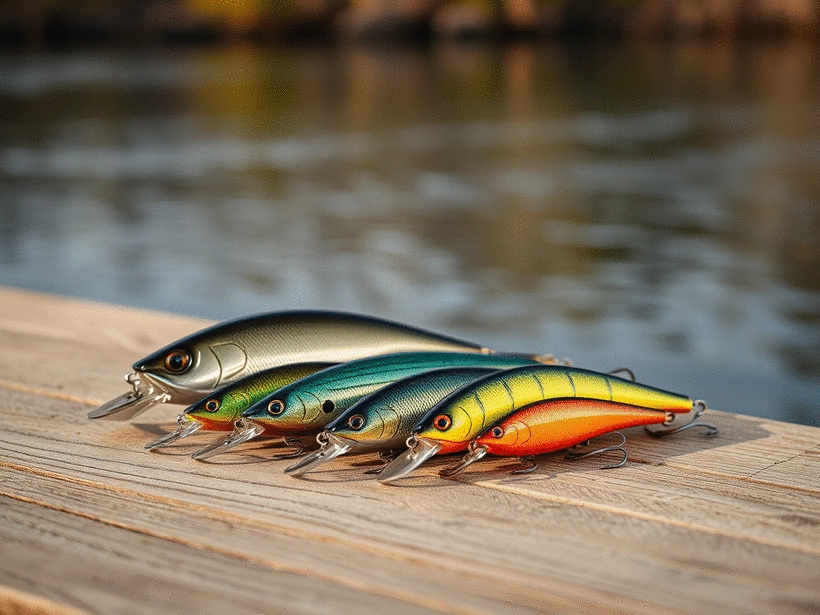
Crankbaits are a fantastic option during the fall months due to their ability to cover water quickly. They can dive to various depths, making it easy to target bass suspended at different levels.
Choosing the Right Crankbait for Shallow and Deep Waters
- Shallow Crankbaits: Best for targeting bass along shallow flats and near cover.
- Deep-Diving Crankbaits: Perfect for reaching bass that have moved to deeper water.
- Square Bill Crankbaits: Great for deflecting off cover and triggering strikes.
Whenever I’m out on the water, I always keep a few crankbaits of varying depths in my tackle box. They’ve helped me find success during the fall when bass are more reluctant to bite!
Spinnerbaits: A Reliable Choice for Fall Conditions
Spinnerbaits are another excellent choice as their flash and vibration can mimic baitfish perfectly. The unique design allows them to be fished effectively in various conditions.
Understanding Blade Types and Their Functions
- Willow Blades: Ideal for clear water to create a subtle flash.
- Colorado Blades: Best for murky water due to their added vibration.
- Indiana Blades: A versatile option that provides a balance between flash and vibration.
Knowing your blade types can help you adapt to changing water conditions. I’ve seen major improvements in my catch rates by switching blade styles based on the day's visibility.
Jerkbaits: Techniques for Success in Colder Waters
Jerkbaits can be an absolute game-changer when the water temperature drops. The erratic action of a jerkbait can provoke strikes from lethargic bass that are just waiting for an easy meal.
Slow Sinking vs. Erratic Action: When to Use Each
- Slow Sinking Jerkbaits: Great for colder water; allows you to pause and let the bass think it’s an easy target.
- Erratic Action Jerkbaits: Use in warmer pockets of water to entice aggressive bass.
When I’m using jerkbaits, I often switch between these actions based on how the fish are responding. It’s all about finding that sweet spot!
Topwater Fishing: Timing and Techniques for Early Mornings
The excitement of topwater fishing can’t be beaten, especially in the cooler mornings of fall. The surface action can lead to some thrilling moments as bass explode on your lures!
Recommended Topwater Lures for Fall Excursions
- Popper Lures: Great for creating splashes and attracting attention.
- Walking Baits: Mimics the erratic movement of baitfish on the surface.
- Frog Lures: Perfect for lily pads or thick cover where bass like to hide.
On those chilly mornings, I always look forward to the heart-stopping strikes when fishing with topwater lures. The thrill of seeing a bass rise to the surface is a reminder of why I love this sport!
Soft Plastics: Adaptable Options for Various Situations
Soft plastics offer flexibility that many other lures simply can’t match. They can be rigged in numerous ways to suit different fishing conditions, making them a staple in my tackle box.
Wacky Rig vs. Texas Rig: Choosing the Best Presentation
- Wacky Rig: Ideal for a slow presentation, perfect for enticing bites in cooler water.
- Texas Rig: Great for fishing in heavy cover where bass tend to hide.
Whichever rig I choose depends on the conditions I’m facing. Having both options ready allows me to adapt quickly on the water!
Umbrella Rig Strategies for Targeting Bass
The umbrella rig, or A-rig, has gained popularity in recent years for its ability to mimic a school of baitfish. This technique can be a game-changer, especially in the fall.
When and How to Use A-Rigs Effectively
- Use in areas with high baitfish populations to draw in bass.
- Slow and steady retrieves can trigger a feeding frenzy amongst aggressive bass.
- Experiment with different weights to find the right balance for depth.
In my experience, the A-rig has produced some of my best catches when the bass are particularly hungry in the fall. It’s definitely worth having in your arsenal!
Popular Brands to Consider for Fall Fishing
When it comes to gear, knowing which brands deliver quality lures can save you time and enhance your fishing experience. Here are some trusted brands that I often turn to:
Comparing Lure Options from Berkley, Strike King, and Rapala
- Berkley: Known for their innovative designs and effective soft plastics.
- Strike King: Offers a wide range of lures that are perfect for fall conditions.
- Rapala: Renowned for their crankbaits that are a staple among many anglers.
These brands have consistently proven their worth on the water, and I’ve had great success with their products. It’s always exciting to try out new offerings from these companies during the fall season!
Color Strategies for Fall Fishing Success
As the fishing season progresses into fall, color strategies become crucial for attracting bass. The visibility and clarity of the water can change rapidly, so adapting your color choices is essential!
Color Selection Based on Water Clarity and Conditions
Using the right colors can make a significant difference in your success rate. As the leaves change and the waters cool, consider these color strategies for your fall fishing:
Top Color Patterns for Fall Bass Fishing
- Natural Colors: Perfect for clear water; mimic local baitfish.
- Bright Colors: Great for murky waters to stand out.
- Dark Colors: Effective in low-light conditions or stained water.
Having a variety of colors in your tackle box ensures you’re prepared for any situation. I often experiment with different colors until I find what the bass are responding to!
Adapting Color Choices Through Seasonal Transitions
As fall progresses, bass color preferences can change. Staying ahead of these trends can enhance your fishing success!
How Bass Color Preferences Change as Fall Progresses
- Early Fall: Bright, flashy colors work well.
- Mid to Late Fall: Transition to more natural and subdued colors.
Observing these shifts can lead to more productive days on the water. I’ve noticed that adjusting my color selections based on the time of year can lead to those unforgettable catches!
Understanding Fishing Color Theory
Finally, understanding color theory can help you make informed decisions on the water. Different colors produce varying effects depending on water clarity and lighting conditions.
How Color Affects Lure Performance in Different Conditions
- Bright Days: Use more natural hues to blend in.
- Overcast Conditions: Opt for brighter colors to stand out.
- Early Mornings/Late Evenings: Darker hues can create contrast in low light.
By applying these principles, you can increase your chances of enticing those elusive bass. I always keep these color strategies in mind to help refine my lure selection throughout the fall fishing season!
Regional Insights for Tailoring Your Lure Selection
Every region has its unique challenges and characteristics when it comes to fall bass fishing. Understanding these regional differences can significantly impact your success!
Comparing Fall Bass Fishing Across Different U.S. Regions
Different areas may require specific tactics and lure choices to maximize your catch. Let’s explore some effective strategies tailored to various regions:
Suggested Lures for Northern Lakes vs. Southern Reservoirs
- Northern Lakes: Crankbaits and jerkbaits tend to be more effective due to cooler waters.
- Southern Reservoirs: Spinnerbaits and soft plastics shine as bass remain more aggressive. For a deeper dive into regional variations, you can refer to insights on fall bass fishing consistency across different geographic areas.
Having a strategy that accounts for these regional differences is key. I always tailor my approach depending on the specific waters I’m fishing!
Adjusting Tactics for Diverse Water Types
Whether you’re fishing in lakes, rivers, or pressured waters, adapting your tactics is crucial for success. Let’s break down effective strategies for these different environments:
Strategies for Lakes, Rivers, and Pressured Waters
- Lakes: Focus on structure and cover; use a mix of techniques.
- Rivers: Current can dictate bass positioning; fish eddies and seams.
- Pressured Waters: Opt for finesse techniques and stealthy presentations. For instance, a recent fishing study on Lake Lure highlights how specific tactics can enhance catch rates in particular lake environments.
Keeping these strategies in mind will help you increase your catch rates no matter where you find yourself fishing this fall. Adapting to your environment is a critical skill that every angler should develop!
We Want to Hear From You!
As you gear up for your fall bass fishing adventures, what challenges do you face? Share your thoughts below:
Practical Fishing Techniques for Optimal Results
When it comes to fall bass fishing, having the right techniques can make all the difference. It's not just about the lures—your rod and reel also play a crucial role in your success on the water. Let’s dive into how to effectively match your equipment with your lure selection.
Matching Your Rod and Reel with Lure Selection
Choosing the right rod and reel starts with understanding the lures you plan to use. Different lures require different specifications to maximize performance. For instance, a lightweight spinning rod is ideal for finesse techniques, while a heavier baitcaster suits larger lures well.
- Rod Action: Fast action rods offer better sensitivity for detecting bites, while moderate action rods provide more forgiveness when fighting fish.
- Line Weight: Ensure your line weight matches the lure's weight; this helps in achieving the desired depth and action.
- Reel Gear Ratio: A higher gear ratio retrieves line faster, which is beneficial for reaction strikes, while a lower ratio offers better torque for fighting bigger fish.
By aligning your gear with your chosen lures, you can enhance your overall fishing experience. What combinations have you found successful? Feel free to share your insights in the comments!
Engaging Different Retrieval Techniques
Once you've selected the right gear, it’s time to focus on retrieval techniques. Different methods can yield varying results, especially in colder fall waters. Adjusting your retrieval speed can significantly influence your success rate.
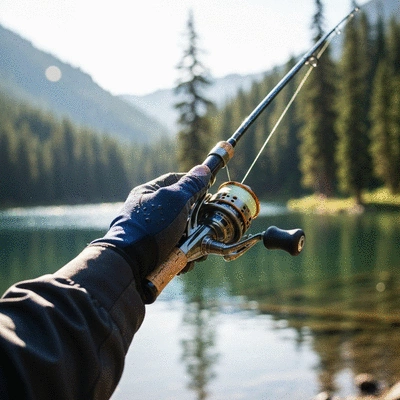
- Slow Roll: A steady, slow retrieve can entice bass that are feeling lethargic as temperatures drop.
- Stop-and-Go: This technique mimics injured prey, making it particularly effective for jerkbaits and crankbaits.
- Popping Action: For topwater lures, incorporating pauses and quick jerks can create a tantalizing surface disturbance that triggers strikes.
Experimenting with these techniques can lead to fantastic results. Don’t hesitate to adjust your speed based on the conditions—sometimes, a slight change can unlock the bite!
Utilizing High-Quality Fishing Gear
Investing in high-quality fishing gear is essential for a successful fishing outing. Brands like Shimano, Abu Garcia, and Daiwa offer a variety of options that cater to different fishing styles and budgets. The right gear can enhance your performance and ensure you’re prepared for any fishing situation.
- Shimano: Known for their innovative technology, Shimano reels provide smooth operation and durability.
- Abu Garcia: Offers a range of reels that are perfect for both beginners and seasoned anglers, ensuring quality without breaking the bank.
- Daiwa: Their rods and reels are lightweight and balanced, ideal for a long day on the water.
By choosing gear that fits your style and budget, you can optimize your fishing experience. Have you tried any of these brands? Share your favorites with the Addict Fishing community!
Frequently Asked Questions About Fall Bass Fishing
- Q: How do water temperatures affect bass behavior in the fall?
- A: As water temperatures drop, bass become more focused on feeding to prepare for winter. They tend to school up and can be found shallower in warmer temperatures (above 70°F) but move to deeper waters and become more sluggish as temperatures fall below 65°F.
- Q: What are the best lure types for fall bass fishing?
- A: Effective lure types for fall include crankbaits (for covering water and varying depths), spinnerbaits (for flash and vibration), jerkbaits (for erratic action in colder water), topwater lures (for early mornings), soft plastics (for adaptability), and umbrella rigs (to mimic schools of baitfish).
- Q: How important is lure color in fall bass fishing?
- A: Lure color is crucial. Natural colors work best in clear water, bright colors stand out in murky water, and dark colors are effective in low light or stained water. Color preferences can also shift as fall progresses, with brighter colors in early fall and more natural hues later in the season.
- Q: Should I adjust my fishing strategy based on the region?
- A: Yes, regional differences greatly impact success. For example, northern lakes might favor crankbaits and jerkbaits due to cooler waters, while southern reservoirs could see more success with spinnerbaits and soft plastics where bass remain aggressive. Adapting to specific water types like lakes, rivers, or pressured waters is also vital.
- Q: How does matching my rod and reel to my lure selection benefit me?
- A: Matching your rod and reel to your chosen lures enhances performance. A fast-action rod offers sensitivity, while a moderate action provides forgiveness. Line weight should match lure weight for optimal depth and action, and reel gear ratio affects retrieval speed and torque for fighting fish.
Recap of Key Points
Here is a quick recap of the important points discussed in the article:
- Water temperature significantly influences bass behavior and feeding patterns in the fall.
- Understanding key temperature thresholds (above 70°F, 65°F to 70°F, below 65°F) can guide lure selection.
- Effective lure types for fall include crankbaits, spinnerbaits, jerkbaits, topwater lures, soft plastics, and umbrella rigs.
- Color selection based on water clarity and conditions is crucial for successful bass fishing.
- Adapting your fishing strategies to regional differences and diverse water types can enhance your catch rates.