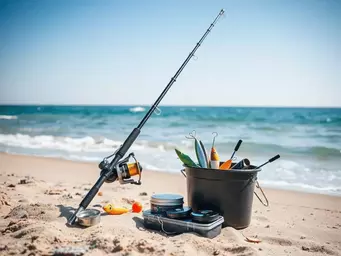
Key Knots for Every Angler
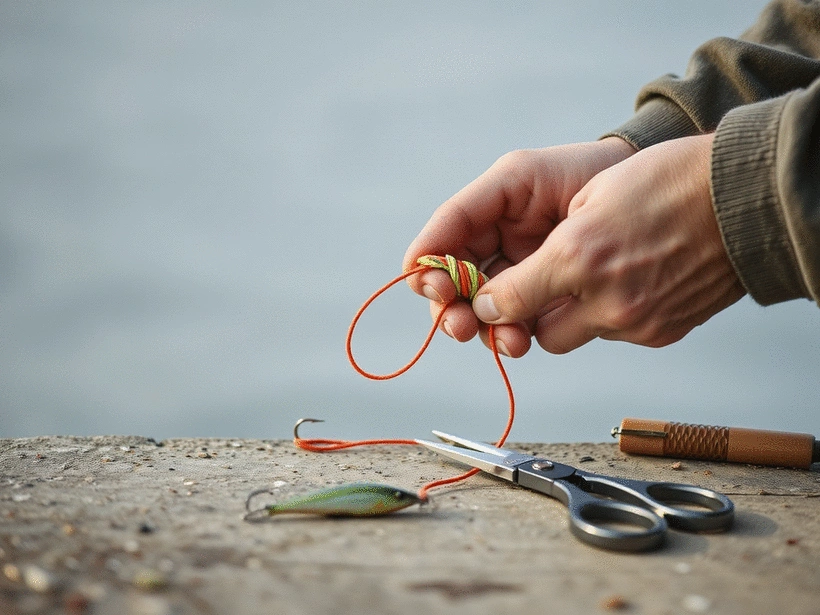
Have you ever considered how a simple knot can be the difference between landing a trophy catch and a frustrating day on the water? Mastering fishing knots is essential for any angler, and the right techniques can elevate your fishing experience.
What You Will Learn
- Understanding the importance of fishing knots for strength and reliability when reeling in fish.
- Identifying common types of fishing knots and their specific uses, such as the Palomar and Blood knots.
- Strategies for practicing knot tying to build confidence and muscle memory effectively.
- Exploring less common knots like the Figure Eight and Nail Knot for added versatility in fishing situations.
Essential Fishing Knots: Purpose and Practice
Mastering fishing knots is crucial for angling success. This visual outlines key knots, their primary uses, and recommended practice frequency to enhance your skills and reliability on the water.
Knots to Know
- •Palomar Knot: Securing hooks & lures
- •Improved Clinch Knot: Connecting lines to hooks
- •Uni Knot: Line-to-leader connections
- •Blood Knot: Joining two lines
- •Surgeon’s Knot: Quick line joining
Practice Frequency
1x
(at least) per week
Regular practice builds muscle memory and confidence, making knot tying second nature.
Advanced Knots
- •Figure Eight Knot: Fixed loop, lure/line joining
- •Nail Knot: Attaching leader to fly line
These knots add versatility for specific fishing scenarios.
Key Benefits
- •Enhanced Strength: Prevents line breakage
- •Increased Reliability: Secure during critical moments
- •Versatility: Adapts to diverse environments
Understanding Essential Fishing Knots for Angling Success
When it comes to fishing, having a solid understanding of fishing knots can significantly impact your success on the water. Knots are the unsung heroes of the fishing world; they connect your line to the lure, hook, or leader. Knowing how to tie the right knots can enhance your tackle's strength and reliability, ensuring that you can reel in that trophy catch!
In this section, we'll dive deep into the importance of knots and how they can make a difference in your fishing experience. Whether you're a novice angler or a seasoned pro, mastering these essential skills is crucial for maximizing your time on the water.
Why Fishing Knots Matter: Strength and Reliability
Every angler knows that the connection between your line and your catch must be dependable. A poorly tied knot can lead to lost fish and frustrating experiences! That’s why understanding the various types of knots and their uses is vital to your success. As the Alaska Department of Fish and Game highlights, a good knot is fundamental to preventing line breakage and securing your catch, emphasizing that these techniques are an essential part of an angler's toolkit. Learn more about the importance of knot strength in fishing.
- Knots enhance the overall strength of your fishing line.
- They ensure reliability during critical moments, such as fighting a big fish.
- A good knot can withstand different environments—whether freshwater or saltwater.
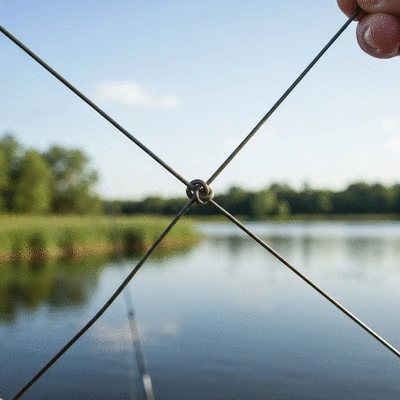
As I’ve learned over the years, investing time in perfecting your knot-tying skills pays off when you feel that tug on your line. The right knot can be the difference between a successful catch and a frustrating day!
Common Questions About Fishing Knots
Many anglers have questions when it comes to fishing knots. Understanding the nuances can significantly improve your skills. Here are some frequent inquiries:
- What types of knots are best for different fishing situations?
- How do I choose the right knot for the line I am using?
- Are there knots that are more effective for certain species of fish?
Addressing these questions not only boosts your confidence but also enhances your overall fishing strategy. Always remember, practice makes perfect!
Overview of Different Types of Fishing Knots
There are several types of fishing knots, each serving unique purposes and environments. Here’s a quick rundown of some of the most commonly used knots, widely recognized by angling resources like the Iowa Department of Natural Resources: Discover essential knots every angler should know.
- Palomar Knot: Ideal for securing hooks and lures.
- Improved Clinch Knot: A classic choice for connecting lines to hooks.
- Uni Knot: Great for line-to-leader connections.
- Blood Knot: Perfect for joining two lines together.
- Surgeon’s Knot: An easy way to tie two lines quickly.
Familiarizing yourself with these knots can elevate your fishing game. Each knot has its strengths, and knowing when to use them will make you a more versatile angler.
Pro Tip
Did you know? Practicing your knots with different line types can significantly enhance your knot-tying proficiency. Each line behaves differently, and understanding these nuances can prepare you for real fishing scenarios. Aim to incorporate various materials—such as monofilament, fluorocarbon, and braided lines—during your practice sessions to ensure you're ready for any challenge on the water!
Practical Advice for Improving Your Knot Skills
As an angler, mastering fishing knots can truly enhance your success on the water. At Addict Fishing, I always encourage fellow anglers to practice regularly to build confidence and muscle memory when tying knots. But how often should you practice your knots? Let's dive into some practical advice!
How Often Should You Practice Your Knots?
Regular practice is key to becoming proficient with fishing knots. I recommend dedicating time to practice tying knots at least once a week. This frequency ensures that the techniques stay fresh in your mind. Here are a few tips to help you structure your practice sessions:
- Choose a quiet spot where you can focus on the task at hand.
- Use different types of line to simulate real fishing conditions.
- Set a timer for each knot, challenging yourself to improve speed and accuracy.
- Record your progress to track improvements over time.
By incorporating these tips, you’ll find that knot tying becomes second nature, allowing you to spend more time fishing and less time fiddling with your gear! The Utah Division of Wildlife Resources emphasizes that dedicating time to learn and practice different knots is a key step for any angler looking to improve their skills and success rate. Discover more benefits of regular knot practice.

Gathering Feedback: Asking Fellow Anglers for Tips
Don’t hesitate to reach out and ask fellow anglers for their insights on knot tying. In my experience, sharing knowledge enhances our community and helps everyone improve. Engaging with others allows for the exchange of unique techniques and can introduce you to new knots you may not have considered. Here are ways to gather feedback:
- Join local fishing groups or online forums dedicated to angling.
- Attend fishing events and workshops where you can interact with experienced anglers.
- Invite a friend to practice knots together and critique each other.
Building a network of anglers to learn from can greatly enrich your fishing journey!
Exploring Less Common Knots: The Figure Eight and Nail Knot
While you may be familiar with popular knots, it's worth exploring some less common options like the Figure Eight and Nail Knot. These knots are incredibly useful in specific situations. Here’s a brief overview of each:
- Figure Eight Knot: Great for creating a fixed loop at the end of your line, perfect for securing a lure or joining two lines.
- Nail Knot: Ideal for attaching a leader to a fly line, providing a smooth transition that aids casting.
Experimenting with these knots can add versatility to your fishing toolkit. I encourage you to try them out during your next outing and see how they work for you!
Frequently Asked Questions About Fishing Knots
Q: Why are fishing knots so important?
A: Fishing knots are crucial because they ensure the strength and reliability of your fishing line, connecting it securely to your hook, lure, or leader. A well-tied knot prevents line breakage and helps you successfully reel in fish.
Q: What are some essential fishing knots for beginners?
A: Beginners should learn knots like the Palomar Knot (for hooks and lures), Improved Clinch Knot (for connecting to hooks), Uni Knot (for line-to-leader connections), Blood Knot (for joining two lines), and Surgeon’s Knot (for quick line joining).
Q: How often should I practice tying fishing knots?
A: It is recommended to practice tying knots at least once a week. Regular practice helps build muscle memory and confidence, making knot tying second nature during actual fishing scenarios.
Q: What are the benefits of exploring less common knots like the Figure Eight and Nail Knot?
A: Exploring less common knots like the Figure Eight (for fixed loops) and Nail Knot (for attaching leaders to fly lines) adds versatility to your fishing toolkit, enabling you to handle specific fishing situations more effectively.
Q: Can different types of fishing lines affect knot tying?
A: Yes, different line types (e.g., monofilament, fluorocarbon, braided) behave differently when tied. Practicing with various materials enhances your proficiency and prepares you for real fishing conditions.
Recap of Key Points
Here is a quick recap of the important points discussed in the article:
- Understanding fishing knots is crucial for enhancing tackle strength and reliability.
- Regular practice of knot-tying techniques can significantly improve proficiency.
- Different knots serve unique purposes; familiarize yourself with types like the Palomar, Improved Clinch, and Blood knots.
- Engage with fellow anglers to share techniques and gather feedback for improvement.
- Exploring less common knots, such as the Figure Eight and Nail Knot, can add versatility to your fishing toolkit.