Reading Water to Find Fish
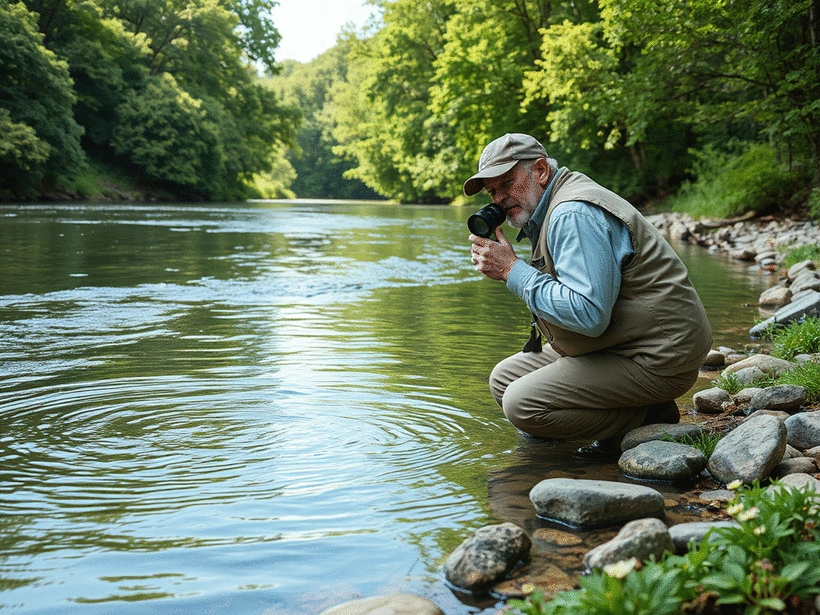
As the sun glimmers off the water's surface, understanding the subtleties of how water behaves can be your ticket to a successful fishing adventure. Reading water is not just a skill—it's an art that connects you deeper to the aquatic world.
What You Will Learn
- Improved Catch Rates: Learning to read water enhances your ability to identify where fish are likely hiding.
- Fish Behavior Insights: Understanding water structure, current preferences, and temperature sensitivity can lead to better fishing strategies.
- Deepened Connection with Nature: Observing water dynamics enriches your appreciation for aquatic ecosystems.
- Adapting Techniques: Adjusting your fishing methods based on water conditions can significantly boost success rates.
The Angler's Toolkit for Reading Water
Mastering the art of reading water is crucial for successful fishing. This visual guide highlights the key elements anglers should focus on to understand fish behavior and habitats.
Improved Catch Rates
Knowing where fish hold increases success.
Enhanced Observation
Studying water deepens ecosystem understanding.
Water Structure
Varying depths, rocks, vegetation provide cover.
Current Preferences
Fish hold where current slows (e.g., behind rocks).
Warm Water
Fish are more active, move to shallower areas.
Cold Water
Fish slow down, become less aggressive.
The Art of Reading Water for Effective Fishing Strategies
As an angler, one of the most essential skills you can develop is the ability to read water. Understanding the nuances of water flow, temperature, and structure can dramatically enhance your chances of success. Not only does it improve your fishing game, but it also helps deepen your connection with nature. By observing how water interacts with the environment, you gain insights into where fish might be hiding and how to approach your fishing strategy!
Learning to read water is akin to learning a new language. Every ripple and eddy tells a story, and it’s up to us, as anglers, to interpret it. The more intuitive you become at this skill, the more effective your fishing will be. So, let’s dive into the importance of water reading and how it can transform your fishing experience.
Understanding Why Water Reading is Essential for Finding Fish
Water reading isn't just a skill; it’s a critical component of successful fishing. By understanding how and where fish are likely to be, you can target your efforts more effectively. Here are some compelling reasons why learning to read water is vital:
- Improved Catch Rates: Knowing where fish are likely to hold increases your chances of a successful catch.
- Enhanced Observation: By studying the water, you develop a better understanding of aquatic ecosystems.
- Deeper Connection: Engaging with the water allows you to appreciate nature and its rhythms, enriching your fishing experience.

These principles not only lead to more fish on the line but also foster a profound respect for the waterways we cherish. Each trip becomes a learning opportunity, enhancing both skill and enjoyment. You can learn more about how understanding aquatic environments can lead to improved fish detection and count accuracy.
Key Concepts in Fish Behavior and Habitats
Understanding fish behavior is paramount to becoming a successful angler. Different species, such as trout, have unique preferences and behaviors in relation to their habitats. Here are some key concepts to consider:
- Water Structure: Fish often seek out areas with varying depths, rocks, and vegetation as they provide cover and feeding opportunities.
- Current Preferences: Many fish, including trout, prefer to hold in places where the current slows down, like behind rocks or in pools.
- Temperature Sensitivity: Fish are sensitive to temperature changes, which can influence their feeding patterns and locations.
By grasping these concepts, you can better anticipate where fish are likely to be hanging out. Personally, I’ve found that taking the time to observe these behaviors has made my fishing trips far more rewarding! Understanding fish behavior is also crucial in conservation efforts; for instance, new approaches are achieving high accuracy in detecting and counting fish even near hydropower facilities.
The Impact of Water Temperature on Fish Habitats
Water temperature is a critical factor that impacts fish behavior and habitat selection. Different species thrive at varying temperatures, and it significantly influences their activity levels. Here are some ways temperature affects fish:
- Warm Water: Fish tend to become more active in warmer temperatures, often moving to shallower areas during the day.
- Cold Water: In colder water, fish may slow down and become less aggressive, requiring anglers to adjust their tactics.
- Thermal Layers: Understanding the stratification of water temperatures can help pinpoint where fish may be concentrated.
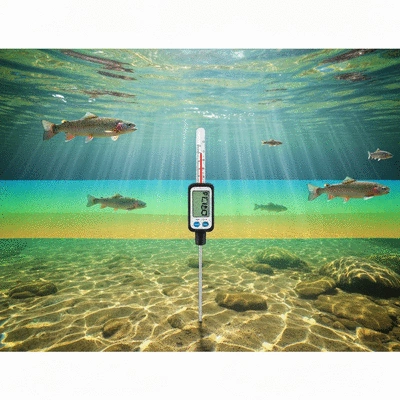
Keeping an eye on temperature can help you make informed decisions about when and where to fish. It’s a game-changer that I've used to my advantage on numerous occasions! For instance, research shows that fish react differently to various temperatures, influencing their foraging and migration patterns.
Identifying Optimal Trout Habitats and Fishing Locations
When it comes to trout fishing, a good understanding of optimal habitats is crucial. Knowing where to find trout can make all the difference in your fishing success.
Pro Tip
Did you know? The best time to fish is often during the early morning or late evening when fish are most active. Adjust your fishing schedule accordingly to maximize your catch potential!
Frequently Asked Questions (FAQs)
Q1: What does "reading water" mean in fishing?
A1: "Reading water" refers to the skill of observing and interpreting various elements of a body of water, such as its flow, structure, and temperature, to predict where fish are likely to be found and how they might be behaving.
Q2: How does water structure affect fish habitats?
A2: Water structure, including varying depths, rocks, and aquatic vegetation, provides fish with cover from predators, shelter from strong currents, and prime locations for feeding. Fish often congregate in these areas.
Q3: Why is water temperature important for fishing success?
A3: Water temperature significantly influences fish activity levels and metabolism. Different species thrive in specific temperature ranges. Knowing the water temperature helps anglers understand where fish might be located and how aggressive they will be, allowing for better bait and technique selection.
Q4: How can understanding current preferences improve my fishing?
A4: Many fish, particularly river species, prefer to conserve energy by holding in areas where the current slows down, such as behind obstacles like rocks or in eddies. Targeting these spots can increase your chances of finding actively feeding fish.
Q5: What are the benefits of engaging with the fishing community?
A5: Engaging with the fishing community allows anglers to share experiences, learn new techniques, discover new fishing spots, and foster a deeper connection to the sport and nature. It also provides opportunities for networking and camaraderie with fellow enthusiasts.
Summarizing Key Insights for Successful Fishing
To truly enhance your fishing experience, mastering the art of reading water is essential. It’s not just about casting your line and hoping for the best; it's about understanding the environment around you. This knowledge not only improves your success rate but also deepens your connection with nature.
As we’ve explored, effective water reading involves recognizing water structures, understanding fish behavior, and adapting to seasonal changes. When you apply these insights, you’ll find yourself making better choices on the water, leading to more enjoyable fishing trips!
- Understand the environment: Get familiar with water structures and fish habits.
- Adapt your techniques: Use what you learn from water reading to refine your casting methods.
- Stay observant: Pay attention to seasonal changes and their impact on fish behavior.
With these key insights, you're well on your way to becoming a more effective angler. Each day on the water is a new opportunity to practice and refine these skills!
Encouraging Further Exploration and Practice
I encourage you to take this newfound knowledge and put it into action! There’s a wealth of resources available that can help you expand your understanding of fishing techniques and water reading.
- Books: Look for titles that focus on fishing strategies or water ecology.
- Videos: Online platforms often feature expert anglers sharing tips and tricks.
- Local Workshops: Joining fly fishing workshops can provide hands-on learning experiences.
Exploring these resources not only enhances your skills but also allows you to connect with other fishing enthusiasts. You’ll find that practice is the key to becoming a more confident angler!
Engaging with the Fishing Community
The fishing community is one of the most supportive and welcoming groups you can be part of. I encourage you to share your experiences and insights with fellow anglers—it can be incredibly rewarding! Connecting with others not only enriches your own journey but also helps inspire and educate others.
- Share your stories: Whether it’s a catch of the day or a lesson learned, your experiences matter.
- Join local fishing groups: These groups often host events and outings that enhance your fishing skills.
- Participate in online forums: Engage with discussions that broaden your perspective on fishing.
By actively participating in the fishing community, you'll foster relationships that turn fishing into a shared adventure. So grab your rod and get ready to connect with fellow fishing lovers out there—let’s make every trip a memorable story worth sharing!
Recap of Key Points
Here is a quick recap of the important points discussed in the article:
- Improved Catch Rates: Understanding water flow and structure increases your chances of a successful catch.
- Key Concepts in Fish Behavior: Fish seek areas with varying depths, rocks, and vegetation for cover and feeding.
- Temperature Influence: Water temperature impacts fish activity; warmer water often leads to increased activity.
- Optimal Trout Habitats: Familiarity with trout habitats enhances your fishing success.
- Engagement with the Fishing Community: Sharing experiences and participating in local groups enriches your fishing journey.