Crappie Fishing Tactics and Techniques
Have you ever wondered what it takes to become a successful crappie angler? Understanding the nuances of crappie fishing can transform your outings from ordinary to extraordinary. Dive into these key insights that are essential for every fishing enthusiast!
What You Will Learn
- Master Vertical Jigging: This precise technique targets crappie effectively by dropping jigs directly beneath your boat.
- Utilize Bobber Fishing: Perfect for beginners, this method signals when fish bite, making it easy to reel in.
- Adopt Effective Trolling Strategies: Moving through the water with multiple lines helps cover more ground and find active crappie.
- Adjust Tactics Seasonally: Adapt your fishing techniques based on seasonal behavior; crappie feed differently in fall compared to spring.
- Choose the Right Gear: Lightweight rods and appropriate line types, like fluorocarbon, can enhance your fishing experience.
- Identify Key Crappie Habitats: Look for structures such as submerged trees and brush piles to increase your chances of catching crappie.
- Practice Ethical Fishing: Embrace sustainable practices to promote healthy fish populations and preserve the joy of fishing for future generations.
Crappie Fishing: Techniques & Seasonal Approaches
Explore essential crappie fishing techniques and how to adapt your approach based on the season for optimal success.
Vertical Jigging
Precision and patience are key. Drop jigs straight down. Effective in warmer months for deeper crappie. Adjust jig weight by depth, use sonar.
Bobber Fishing
Great for beginners. Use small bobbers for shallow, larger for deep. Watch for subtle movements. Use live bait like minnows or jigs.
Trolling Strategies
Locate crappie spread across large areas. Move slowly with multiple lines, varying lure speed and selection to find preferred depth.
Fall Crappie Fishing
Focus on shallow flats and creek channels as crappie feed before winter. Use dark jig colors in murky waters near submerged cover.
Spring Strategies
Target spawning crappie in shallow waters near structures like docks. Use lighter tackle, live bait, and small jigs, focusing on morning/evening.
Rods & Reels
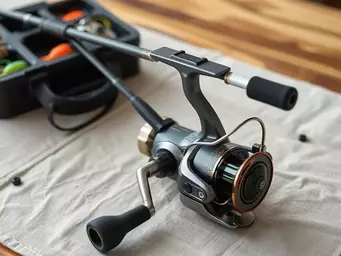
Look for 6-7 foot lightweight spinning rods for sensitivity and control. Pair with a lightweight spinning reel suitable for lighter lines. Balance and comfort are key.
Using Sonar & Electronics
Learn to read your sonar to pinpoint crappie schools and structures. Adjust sensitivity for deeper waters. A secret weapon for finding fish.
Crappie Habitats
Identify key habitats like submerged trees, brush piles, rocks, and underwater vegetation. These structures provide cover and ambush points.
Legal & Ethical Fishing
Understand licenses, size/bag limits, and seasonal restrictions. Practice catch and release with barbless hooks, handle fish carefully, and support sustainability.
Understanding Crappie Fishing: Key Concepts and Techniques
Crappie fishing is a delightful endeavor that taps into the heart of what makes fishing so rewarding. As passionate anglers, we know the thrill that comes with successfully landing a crappie. Whether you're a seasoned pro or just starting out, understanding the key concepts and techniques is essential for a successful outing. Let’s dive into the methods that can help enhance your fishing experience!
Essential Crappie Fishing Techniques to Explore
Before you hit the water, familiarizing yourself with some effective fishing techniques can make all the difference. Here are a few techniques that every crappie angler should explore:
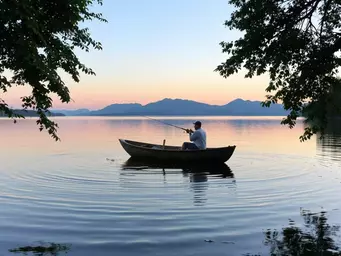
- Vertical Jigging: This method involves dropping a jig straight down beneath your boat and is particularly effective for targeting crappie.
- Bobber Fishing: A great setup for beginners, bobbers signal when a fish bites, making it easy to know when to reel in.
- Trolling Strategies: Moving through the water while dragging baits can help you cover more ground and find active crappie.
Each of these techniques offers unique advantages and can be tailored to suit your fishing style. Personally, I find vertical jigging incredibly rewarding, especially when targeting crappie in deeper waters!
Vertical Jigging: A Deep Dive into the Method
Vertical jigging is all about precision and patience. To get started, you'll need a quality jig and a bit of finesse. Simply drop your jigs straight down, and when you feel a bite, a quick upward jerk of your rod can set the hook. This method excels during the warmer months when crappie tend to hang at greater depths. The key is to maintain a gentle jigging motion to entice those finicky fish.
For best results, adjust your jig weight based on water depth. Using a sonar fish finder can also be a game-changer, allowing you to locate schools of crappie more easily!
Bobber Fishing: Optimal Setups for Beginners
Bobber fishing is often the go-to method for beginners, and for good reason! It’s simple and effective. You’ll want to select the right bobber based on the depth of your fishing spot. Start with a small bobber for shallower waters and a larger one for deeper spots.
- Choose the Right Bait: Live bait like minnows or jigs work wonders.
- Adjust Your Depth: Set your bobber at a depth where crappie are likely to be hanging out.
- Watch for Subtle Movements: Bobbers will bounce or dip when crappie are interested!
As a beginner, mastering this method can help build your confidence on the water. Share your experiences in the comments—what has worked best for you?
Trolling Strategies: Effective Approaches for Crappie
Trolling is a fantastic way to locate crappie when they're spread out over large areas. By moving slowly through known crappie habitats and varying your lure speed, you can find which depth they prefer. A trolling setup usually consists of multiple lines with different lures or baits, allowing you to cover more ground.
Be sure to experiment with your speed and lure selection to find what works best for the conditions you're facing. I've had great days on the water simply by switching up my tactics until I found the winning combination!
Seasonal Tactics for Successful Crappie Fishing
Understanding how seasons affect crappie behavior can significantly enhance your fishing success. Here’s a look at some seasonal tactics that can help improve your catch rate:
- Fall Crappie Fishing: Focus on shallow flats and creek channels as crappie move to feed.
- Spring Strategies: During spawning, crappie will gather in specific areas—target those hotspots!
By adapting your approach based on the season, you’ll increase your chances of landing more crappie. It’s all about knowing where the fish are and what they’re doing throughout the year!
Fall Crappie Fishing: Targeting Shallow Flats and Creek Channels
During the fall, crappie often move to shallow waters and can be found near cover like submerged trees or brush piles. This is the perfect time to use techniques like vertical jigging or bobber fishing, as the fish are actively feeding before winter. Be sure to explore different depths to see where they are concentrated!
Using a darker jig color can also be more effective in murky waters typical of fall. As an angler, I always find it exciting to see how the changing seasons can completely shift the fishing dynamics!
Spring Strategies: What Works Best During Spawning
Spring brings a unique opportunity as crappie move to shallower waters for spawning. They often gather around structures like docks or fallen trees. During this time, I recommend using lighter tackle and live bait to entice these fish effectively.
- Focus on Morning and Evening: Crappie are more active during these times, so plan your trips accordingly.
- Use Small Jigs: A small jig with a soft plastic trailer can be incredibly effective during the spawn.
There’s nothing quite like the thrill of catching crappie during this time of year. Share your tips for spring fishing with the community—what has worked for you?
Gear Recommendations for Crappie Fishing Success
Having the right gear is crucial to enhance your crappie fishing experience. Here are some essential recommendations to consider:
- Rods and Reels: Lightweight spinning rods are ideal for crappie fishing.
- Choosing the Right Line: Fluorocarbon vs. monofilament can be a hot topic—fluorocarbon is often preferred for its invisibility underwater!
- Jigs and Baits: Select a variety of colors and sizes to match the conditions.
As you explore your crappie gear options, remember that personal preference plays a big role. I always recommend trying out different setups to discover what works best for your unique style!
Rods and Reels: What to Look For in Your Setup
When choosing rods and reels for crappie fishing, go for a rod that’s around 6 to 7 feet long, which provides a good balance between sensitivity and control. Pair it with a lightweight spinning reel that can handle the lighter line weights often needed for crappie fishing. Balance and comfort are key to a long day on the water!
Don't forget to check the line ratings on your reel to ensure it can handle the size of fish you’re targeting. Having the right setup can make all the difference, especially when you're battling a feisty crappie!
Choosing the Right Line: Fluorocarbon vs. Monofilament
When it comes to selecting fishing line, both fluorocarbon and monofilament have their pros and cons. Fluorocarbon is less visible underwater, making it a great choice for clear water conditions. Research from Mississippi State University highlights that line choices, including fluorocarbon, can significantly impact angling success. On the other hand, monofilament is easier to handle and more forgiving, especially for beginners.
Ultimately, the choice may depend on the specific conditions you’re fishing in. I often switch between the two based on clarity and structure—experimenting can help you find the perfect fit for your needs!
Jigs and Baits: Selecting Effective Options for Different Conditions
Choosing the right jigs and baits for crappie can be a fun adventure in itself! Here are a few options to consider:
- Soft Plastics: These can be extremely effective, especially during spawning season.
- Live Bait: Minnows are a classic choice that crappie can’t resist.
- Jig Head Weight: Adjust your jig head weight based on water depth and current.
Mixing up your offerings can keep crappie intrigued and increase your catch rate. What are some of your favorite baits to use? Let’s share our go-to selections!
Essential Fishing Tackle: What Every Crappie Angler Needs
Lastly, every crappie angler should have a basic tackle box ready to go! Here’s a quick checklist of essentials:
- Various jig heads and soft plastics
- Live bait like minnows
- Bobbers and weights
- A quality pair of needle-nose pliers
Having the right tackle on hand ensures that you're prepared for any situation. Don’t forget to pack your tackle box before heading out—there’s nothing worse than realizing you forgot something crucial on the water!
Techniques for Locating Suspended Crappie
Finding suspended crappie can be a challenge, but with the right techniques, it becomes much easier. Here are some tips to enhance your success:
- Using Sonar and Electronics: Understanding how to read your sonar can help you pinpoint where crappie are holding.
- Finesse Presentations: Employ slow retrieves with light tackle to increase your chances of a bite.
By mastering these techniques, you’ll be well on your way to consistently locating suspended crappie. It’s exciting to uncover their hiding spots and develop a strategy to catch them!
Using Sonar and Electronics: Tips for Beginners
If you're new to using sonar, start by familiarizing yourself with the basic features of your device. Look for structures and schools of fish, which can often indicate where crappie are hanging out. Adjusting your sensitivity settings can also help you spot crappie in deeper waters.
With practice, you’ll become more comfortable interpreting what you see on the screen. It’s like having a secret weapon out there—definitely worth investing time to learn!
Finesse Presentations: Slow Retrieves for More Bites
When crappie are being picky, finesse presentations can make all the difference. By slowing down your retrieves and using lighter jigs, you can entice even the most reluctant fish. It’s about offering them something they can’t resist!
Consider practicing different retrieves to see what draws the most bites. Personally, I find that a slow, steady approach often leads to great results, especially on tough days!
Understanding Crappie Habitats and Behavior
To become a better crappie angler, it’s essential to understand their habitats and behavior. Here are a few key points to consider:
- Identifying Key Crappie Habitats: Look for structures like submerged trees, brush piles, and rocks.
- Influence of Weather Conditions: Weather can greatly affect crappie movement; they tend to be more active during overcast days.
Being in tune with their habitats and behaviors helps in planning your fishing trips. The more you learn, the more confident you’ll feel out there on the water!
Identifying Key Crappie Habitats: Where to Find Them
Crappie are often found near structures that provide cover and ambush points. Look for areas with underwater vegetation, drop-offs, or structures like docks. These spots can be real hotspots during different times of the year, as documented by Florida Fish and Wildlife Conservation Commission research on freshwater fish habitats.
As you explore different fishing locations, take note of where you catch crappie and what types of habitats they prefer. This knowledge is invaluable for future trips!
Influence of Weather Conditions and Water Temperature on Crappie
Weather conditions play a significant role in crappie behavior. On cloudy days, crappie tend to be more active and may venture into shallow waters. Conversely, during bright, sunny days, they might seek deeper, cooler areas.
Water temperature is also crucial; crappie are more active in warmer waters. Keeping an eye on these factors can help you plan your fishing trips more effectively. I’ve had my best days by aligning my outings with favorable weather conditions!
Pro Tip
When targeting crappie, remember that their feeding behavior changes with the seasons. In spring, focus on shallow waters near spawning areas, while in fall, search for them around structure in shallower flats. Having a diverse selection of jigs and live bait can significantly increase your chances of a successful catch!
Addressing Common Questions and Challenges in Crappie Fishing
As an avid angler, I often hear questions about the best methods for crappie fishing and the challenges that many encounter on the water. Whether you're new to the sport or a seasoned pro, it’s vital to address these common concerns to enhance your fishing experience. Let’s dive into some of the frequent queries and hurdles that crappie anglers face.
How Do I Choose the Right Technique for My Region?
Choosing the right technique for crappie fishing greatly depends on your local environment. Each region has its own unique characteristics that influence the behavior of crappie. For instance, if you're fishing in a lake with abundant vegetation, techniques like vertical jigging might yield better results. Alternatively, in open waters, trolling can be the key to success. Here are a few tips to consider:
- Research local fishing reports to see which methods are currently effective.
- Talk to local anglers or tackle shops for insights into popular techniques in your area.
- Experiment with various methods to find what works best for your specific fishing location.
Finding the right technique is all about adapting to the conditions around you. Don't hesitate to share your experiences and techniques in the comments below; they might just help another angler!
What Legal Considerations Should I Be Aware Of?
Before casting your line, it’s essential to familiarize yourself with the legal aspects of crappie fishing. Regulations can vary widely based on location, and understanding them not only keeps you compliant but also helps protect our precious waterways. Here are some important guidelines:
Understanding Local Regulations and Safety Guidelines
- Check for fishing licenses required in your state.
- Be aware of size and bag limits for crappie.
- Stay updated on seasonal fishing restrictions to protect spawning populations.
By staying informed about local regulations, you help maintain a sustainable environment for crappie and other aquatic life. It’s all part of being a responsible angler and ensuring future generations can enjoy fishing!
Troubleshooting Common Issues While Fishing for Crappie
Every angler faces challenges at some point, especially when pursuing crappie. From changing weather conditions to unpredictable fish behavior, it's crucial to have strategies for tackling these obstacles. Here are some common issues and how to adapt:
Adapting Your Approach in Tough Conditions
- If crappie aren’t biting, try switching your bait or lure color.
- Adjust your fishing depth based on water temperature and light conditions.
- Consider fishing during dawn or dusk when crappie are most active.
Remember, patience is key! Sometimes all it takes is a little tweak in your approach to turn a tough day into a successful one. Share your troubleshooting tips in the comments, and let’s help each other out!
Crappie Fishing Ethics: Practices for Sustainable Fishing
As anglers, we have a responsibility to protect the fishing environments we cherish. Embracing ethical practices not only helps maintain healthy fish populations but also ensures the joy of fishing for future generations. Here are some ethical practices to consider:
Understanding Catch and Release Guidelines
- Use barbless hooks to minimize injury to fish.
- Handle fish carefully and quickly when practicing catch and release.
- Keep fish in the water as much as possible during unhooking to reduce stress.
Fishing ethically is a way of honoring the sport and the natural resources we rely on. By sharing our knowledge and promoting responsible practices, we can cultivate a community of anglers dedicated to sustainability.
Maintaining Fishing Ethics in Tournaments and Community Events
- Participate in local tournaments that prioritize sustainability.
- Encourage fellow anglers to follow ethical practices during events.
- Support organizations that promote responsible fishing initiatives.
Incorporating these practices into your fishing routine not only enhances your experience but also contributes to the future of crappie fishing. How do you promote sustainability in your fishing adventures? I’d love to hear your thoughts!
Frequently Asked Questions (FAQs)
- What is vertical jigging and when is it most effective?
- Vertical jigging involves dropping jigs directly beneath your boat. It's particularly effective in warmer months when crappie are in deeper waters, as it allows for precise targeting.
- Why is bobber fishing recommended for beginners?
- Bobber fishing is beginner-friendly because it uses a bobber to visibly signal when a fish bites, making it easy to know when to reel in. It's simple, effective, and helps build confidence.
- How do trolling strategies help in crappie fishing?
- Trolling strategies involve moving slowly through the water with multiple lines. This technique helps cover large areas, locate dispersed crappie, and determine their preferred depth and lure speed.
- How should fishing tactics change between fall and spring?
- In fall, focus on shallow flats and creek channels as crappie feed before winter, often using dark jig colors in murky waters. In spring, target spawning crappie in shallow waters near structures like docks, using lighter tackle and small jigs, especially in the morning and evening.
- What gear is essential for crappie fishing?
- Essential gear includes lightweight 6-7 foot spinning rods for sensitivity and control, paired with a lightweight spinning reel. Choosing the right line (fluorocarbon for invisibility or monofilament for ease of use), and a variety of jigs and baits are also crucial.
- Where are the best places to find crappie?
- Crappie prefer habitats with cover and ambush points such as submerged trees, brush piles, rocks, underwater vegetation, drop-offs, and docks. Using sonar and electronics can help pinpoint these locations.
- What are some ethical fishing practices for crappie?
- Ethical practices include understanding and adhering to local licenses, size, and bag limits, practicing catch and release with barbless hooks, handling fish carefully to minimize stress, and supporting sustainable fishing initiatives.
Recap of Key Points
Here is a quick recap of the important points discussed in the article:
- Vertical Jigging: Drop jigs directly beneath your boat for effective targeting of crappie.
- Bobber Fishing: An easy method for beginners; adjust bobber depth to where crappie are active.
- Trolling Strategies: Move through water with baits to locate active crappie over larger areas.
- Seasonal Tactics: Adapt techniques based on the season; focus on shallow areas in fall and spawning spots in spring.
- Essential Gear: Use lightweight rods and appropriate line types for crappie fishing success.
- Understanding Habitats: Identify crappie habitats and adjust your approach based on weather conditions.
- Fishing Ethics: Follow catch and release guidelines and promote sustainable practices within the angling community.