Reading Water for Better Fishing
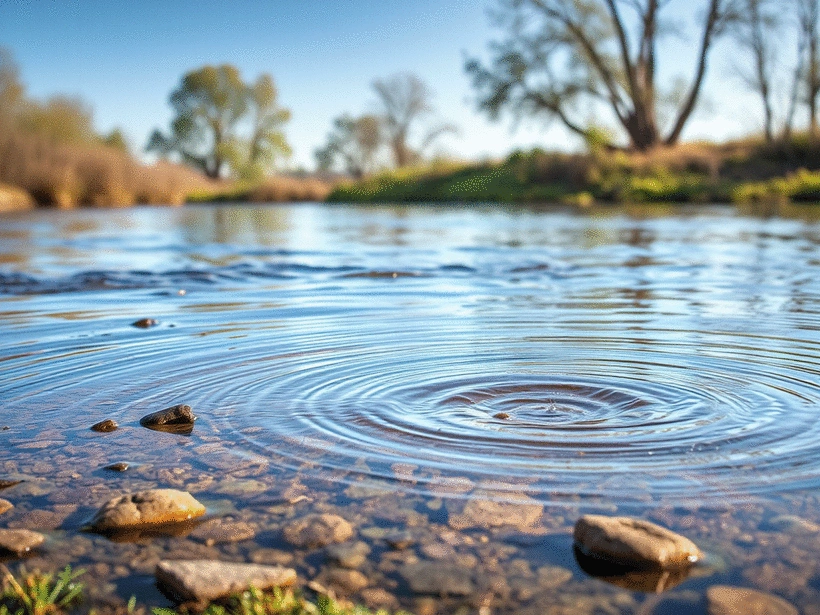
Have you ever wondered why some fishing spots yield countless catches while others seem devoid of life? Understanding the characteristics of water features can be the key to unlocking your fishing success. Each type of water feature presents unique opportunities that savvy anglers can leverage for better results.
What You Will Learn
- Riffles are vibrant feeding grounds; look for current seams and eddies for optimal fishing spots.
- Pools provide shelter during warmer months; identify them by visible fish activity and shaded areas.
- Eddies create safe havens for fish; recognize these by observing where water swirls and calms.
- Understanding aquatic habitats, including vegetation and flow patterns, can enhance fishing success.
- Analyzing water clarity and depth can reveal why fish may not be biting even in promising locations.
- Avoid common mistakes by closely observing water features and adapting your techniques accordingly.
Understanding Key Water Features for Anglers
Each type of water feature—riffles, pools, and eddies—plays a vital role in fish behavior. Understanding these characteristics helps in identifying where fish are likely to be lurking.
Decoding Riffles
Shallow, fast-moving sections with broken surface. Key feeding grounds.
- •Current seams & eddies
- •Rocks & structure
- •Visible insects/baitfish
Casting Strategy:
Cast upstream, short retrieves, target seams.
Identifying Pools
Deeper, calmer sections. Refuge and resting spots for fish.
- •Calm, deep water
- •Visible fish activity
- •Shade from vegetation
Casting Strategy:
Slower retrieve, vary presentation, cast at different angles.
Exploring Eddies
Circular water flow, sheltered areas. Prime spots, especially in swift currents.
- •Current reverses/swirls
- •Calm water near fast sections
- •Fish surfacing/feeding
Casting Strategy:
Present bait at edges, adjust weight, watch current flow.
Navigating Water Currents
Crucial for determining fish location and behavior. Adaptability is key.
- •Surface indicators (ripples, foam)
- •Consider current speed
- •Identify slow zones
Technique Adjustments:
Lighter gear in slow, heavier in fast; change retrieve speed.
Solving Common Problems
Troubleshooting low catch rates in appealing areas.
- •Water clarity & depth
- •Current speed effects
- •Environmental factors
Avoid Mistakes:
Don't rely on appearances, observe subtle changes, adapt.
Developing an Observation Mindset
Enhance success by staying vigilant and gathering evidence.
- •Look for surface activity
- •Identify insect activity
- •Learn from fellow anglers
Key to Success:
Refine techniques by sharing insights and embracing new lessons.
Understanding Water Features Essential for Fishing
As anglers, we know that understanding the water features where we fish can significantly enhance our success. Each type of water feature—be it riffles, pools, or eddies—plays a vital role in the behavior of fish. In this section, I’ll share insights into these features and how to leverage them to improve your fishing game.
Let’s explore how to decode these water characteristics and what they reveal about where fish are likely to be lurking. Are you ready to deepen your connection with the water? Let’s dive in!
Decoding Riffles: Key Characteristics and Fishing Techniques
Riffles are shallow, fast-moving sections of water where the surface is often broken by rocks and other obstacles. These areas are not just exciting to fish; they also serve as feeding grounds for many fish species, especially when insects are present. When fishing in riffles, look for current seams and eddies that can shelter fish from the strong water flow. For more detailed insights into reading water, you can refer to this comprehensive guide on reading the water from Trout Unlimited.
What to Look For in Riffles
- Fast-moving water with visible surface disturbances
- Areas of slower water adjacent to fast currents
- Rocks and structure that provide hiding spots for fish
- Insects or baitfish visible on the surface
These indicators can lead you to more productive fishing spots. Remember, the key is to look for variations in speed and depth, as these areas often attract hungry fish.
Effective Casting Strategies for Riffles
When it comes to casting in riffles, precision is essential. I recommend using a slightly heavier lure or bait that can reach the bottom quickly in the swift current. Here are some strategies to consider:
- Cast upstream: Allow your lure to drift naturally into feeding lanes.
- Use short, quick retrieves: Mimicking the action of struggling prey can trigger strikes.
- Target seams and edges: Fish often hold where the fast current meets slower water.
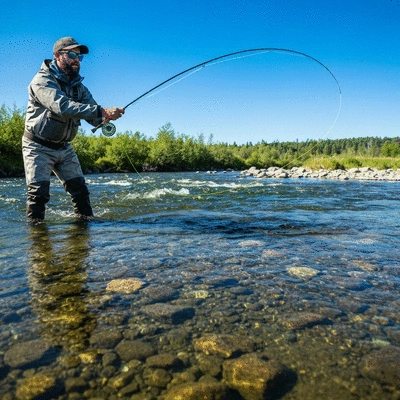
By using these techniques, you can maximize your chances of hooking into that trophy fish hiding in the riffles!
Identifying Pools: Where Fish Seek Refuge
Pools are deeper sections of water that provide a haven for fish, especially during warmer months. These areas can be particularly productive, serving as resting spots for fish after battling the riffles. Understanding how to identify pools can greatly enhance your fishing adventure.
Visual Indicators of Fish Presence in Pools
- Calm water with depth, often deeper than surrounding areas
- Visible fish activity, such as jumping or surface disturbances
- Areas of shade provided by overhanging vegetation or structures
When you see these signs, it's time to get your line in the water! Pools can be fantastic locations for catching larger fish, as they spend time here to conserve energy.
Optimal Techniques for Casting in Pool Areas
When fishing in pools, your approach may vary slightly. Here’s what I’ve found effective:
- Use a slower retrieve: Let your bait soak in the pool to entice fish.
- Vary your presentation: Experiment with different lures and techniques to find what works best.
- Cast at different angles: This ensures you cover the entire pool effectively.
By employing these techniques, you can significantly increase your chances of reeling in your next big catch!
Exploring Eddies: Safe Havens for Fish
Eddies are fascinating spots where water flows in a circular pattern, often creating sheltered areas that fish love. These locations can be prime spots for fishing, especially when the current is swift.
Recognizing Eddies: Signs to Watch For
- Areas where the current reverses or swirls
- Calm water adjacent to faster-moving sections
- Fish surfacing or feeding along the edges
Identifying these features can lead you to fruitful spots where fish are resting and feeding.
How to Fish Successfully in Eddy Currents
Fishing in eddies requires a slightly different technique. Here are some tips:
- Present your bait at the edges: Fish will often be near the calm water, waiting for easy meals.
- Adjust your weight: Depending on the current, you may need to use a heavier weight to keep your bait in the strike zone.
- Watch the current: Understanding how the water flows can help you choose the best spots to target.
With these strategies, you can maximize your effectiveness when fishing in eddies!
The Role of Aquatic Habitat in Fish Behavior
Understanding aquatic habitats is essential for any angler. The combination of water flow, vegetation, and substrate types can significantly influence where fish choose to settle. By recognizing these aspects, you can better predict fish behavior.
Understanding Stream Ecology and Its Impact on Fishing
Streams are complex systems where every element plays a part. The health of the aquatic ecosystem is vital for fish populations. Key components include:
- Nutrient availability: A diverse diet supports healthy fish populations.
- Oxygen levels: Higher oxygen levels attract more fish.
- Habitat complexity: Greater structural diversity provides shelter and feeding opportunities.
Being aware of these factors can help you select the best fishing spots based on ecological health.
How Water Flow and Vegetation Influence Fish Habitats
Water flow and vegetation not only impact where fish live but also their behavior. Areas with varying vegetation can produce different dynamics for fish. Consider these factors:
- Vegetation provides cover: Many fish rely on plants for protection from predators.
- Flow patterns create feeding lanes: Fish often position themselves where food is easily accessible.
- Changes in flow can attract baitfish: This, in turn, draws in larger predatory species.
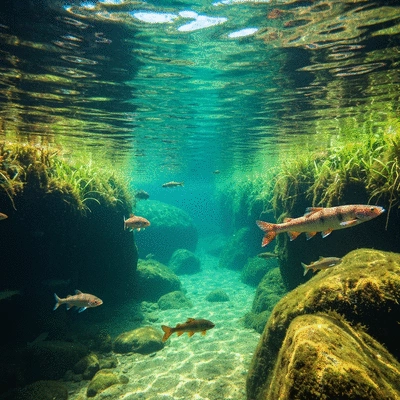
By understanding how these elements interact, you’ll be better equipped to choose the right tactics for a successful day on the water!
Water Currents: Navigating Their Influence on Fishing
Water currents play a significant role in determining where and how we fish. Understanding currents can be the difference between a day filled with bites or one where we struggle to catch anything at all. For more detailed guidance on reading water, especially currents, explore this article on MidCurrent's tips for reading the water.
How to Read Water Currents for Better Fishing Results
Reading water currents involves observing the flow and identifying patterns. Here’s how to get started:
- Look for surface indicators: Ripples, foam, and debris can show the current's path.
- Consider current speed: Faster currents may require heavier lures to maintain contact.
- Identify slow zones: These areas are often where fish congregate.
Taking the time to study currents can lead to more productive fishing!
Techniques for Fishing in Varying Current Speeds
When fishing in different current speeds, adjusting your techniques is crucial. Here’s what I find effective:
- Use lighter gear in slower currents: This allows for a more natural presentation.
- Opt for heavier tackle in fast currents: This ensures your bait stays in the target zone.
- Change your retrieve speed: A slower retrieve can mimic wounded prey and entice strikes.
Adaptability is key when it comes to fishing in various water conditions, and these techniques can help you adjust on the fly!
We Want to Hear From You!
What water features do you find most challenging when fishing? Share your thoughts below:
Solving Common Problems in Water Reading
As anglers, we know the excitement of fishing in what looks like a perfect spot, only to come away empty-handed. It can be frustrating when the water seems right, yet the fish just aren’t biting. Let’s dive into some common issues you might face while reading water and how to troubleshoot them effectively!
- Water clarity and depth
- Current speed and its effects on fish behavior
- Environmental factors affecting fish presence
Understanding these elements can dramatically improve your success on the water. By making small adjustments based on these factors, you can enhance your fishing experience. I've found that even subtle changes can lead to a successful catch, so stay observant!
Why You Might Not Be Catching Fish in Appealing Areas
One common reason for low catch rates in seemingly perfect locations is water clarity. If the water is murky, fish may be less inclined to venture out into the open. On the other hand, crystal-clear water can make fish more cautious. It’s essential to assess the depth as well; if the water is too shallow, the fish might be hiding deeper or in other features. For additional tips on finding fish, explore this resource from Fish & Game New Zealand.
- Check the water clarity: Is it clear, murky, or stained?
- Measure the depth: Are you fishing in deep enough water?
- Evaluate light conditions: Are the fish spooked by too much brightness?
By analyzing these aspects before you cast, you can adjust your tactics accordingly. This approach can save time and increase your chances of landing that elusive catch!
Analyzing Water Clarity and Depth Impact
Another factor to consider is current speed. Fish behavior changes drastically based on how fast the water is moving. In slow currents, they may be more spread out, whereas in faster currents, they tend to gather in specific areas. Knowing how to read these changes will help you position yourself effectively.
So, take a moment to observe the water. Think about how clarity and depth might be influencing your fishing strategy. Remember, even seasoned anglers face challenges in reading water; it's all part of the adventure!
Common Mistakes to Avoid When Reading Water
One of the biggest traps we can fall into is misinterpreting water features. For example, just because a spot looks fishy, it doesn't mean it is. Always remain vigilant and avoid making assumptions. Instead, gather evidence by observing the water flow and fish activity.
- Don’t rely solely on appearances; look for signs of fish.
- Avoid ignoring subtle changes in water flow.
- Remember to adapt your approach as conditions change.
Taking a moment to rethink your strategy based on what you observe can make all the difference. Fishing is as much about adaptability as it is about technique!
Developing an Observation Mindset to Enhance Success
To enhance your skills, develop an observation mindset. Keep your eyes peeled for surface activity, like jumping fish or insect activity. These clues can guide you toward the best casting opportunities. Engaging in community discussions, like those fostered at Addict Fishing, can also help you learn from others' experiences!
By sharing your personal insights and learning from fellow anglers, you can refine your techniques and tackle challenges more effectively. Remember, fishing is a journey, and each outing offers new lessons to embrace!
Recap of Key Points
Here is a quick recap of the important points discussed in the article:
- Riffles are key feeding grounds; look for current seams and structure.
- Pools provide refuge for fish, especially in warmer months; target visible fish activity.
- Eddies create sheltered areas for fish; adjust bait presentation to maximize catch.
- Understanding aquatic habitat influences fish behavior; focus on nutrient availability and oxygen levels.
- Reading water currents is essential; observe surface indicators and adjust techniques accordingly.
- Avoid common mistakes by being observant and adaptable to changing conditions.
Frequently Asked Questions (FAQs)
- What are riffles and why are they important for fishing?
- Riffles are shallow, fast-moving sections of water with broken surfaces. They are crucial feeding grounds for many fish species due to the abundance of insects and baitfish.
- How can I identify a good fishing pool?
- Good fishing pools are typically deeper, calmer sections of water. Look for visible fish activity (jumping, surface disturbances) and shaded areas provided by vegetation or structures, as these offer refuge for fish.
- What is an eddy and how do I fish in one?
- An eddy is an area where water flows in a circular pattern, creating a sheltered spot, especially near swift currents. To fish successfully, present your bait at the edges of the eddy, adjust your weight based on the current, and observe the water flow to target the best spots.
- Why is understanding aquatic habitat important for anglers?
- Understanding aquatic habitat, including water flow, vegetation, and substrate types, helps anglers predict where fish will be. Factors like nutrient availability, oxygen levels, and habitat complexity directly influence fish behavior and population health.
- What common mistakes should I avoid when reading water?
- Avoid relying solely on a spot's appearance; instead, look for actual signs of fish activity. Don't ignore subtle changes in water flow or depth, and always be prepared to adapt your technique as conditions change. Observation and adaptability are key.