Jigging Basics: Tips and Mistakes
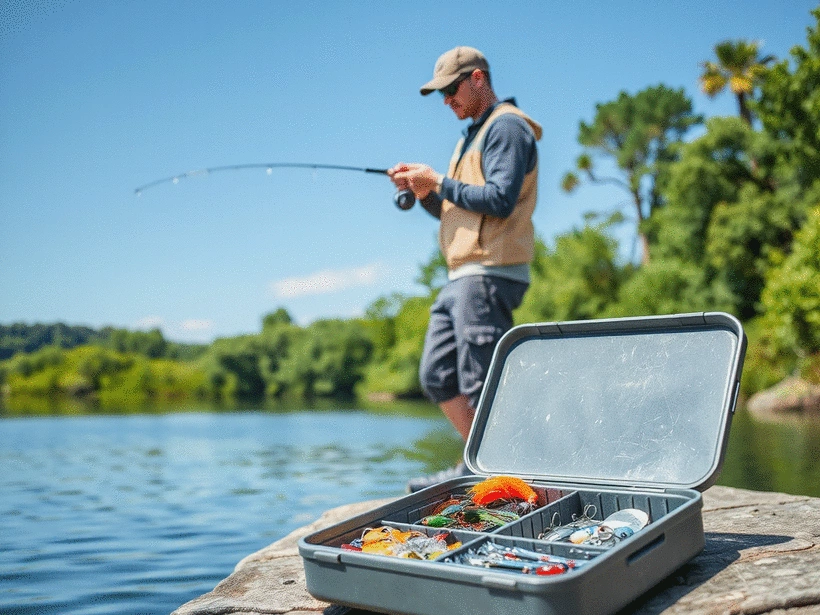
As you embark on your fishing journey, have you considered how a simple technique could redefine your experience on the water? Jigging is not just about catching fish; it's about the thrill, the anticipation, and the connection with nature. Let's explore what makes this technique so rewarding!
What You Will Learn
- Jigging involves using weighted lures to create rhythmic movements that mimic the action of prey, attracting various fish species.
- Different jig types and techniques, such as lift-and-drop and snap jigging, cater to specific fishing conditions and target species.
- Proper gear selection is crucial; your rod, reel, and jigs should match the species you're aiming to catch for maximum effectiveness.
- Common pitfalls like over-jigging and poor line control can hinder your success, making awareness of these factors essential.
- Environmental conditions, including weather and water clarity, significantly affect jigging strategies and should be considered for optimal results.
- Jigging is especially appealing for beginners due to its minimal gear requirements and engaging nature, allowing for an active fishing experience.
Jigging Fundamentals for New Anglers
This visual outlines key areas for beginners to master in jigging: essential elements, appealing aspects, and crucial insights.
Defining Jigging: What Every Beginner Should Know
- Jig Types: Various designs for conditions/species.
- Techniques: Lift-and-drop, snap, slow-pitch variations.
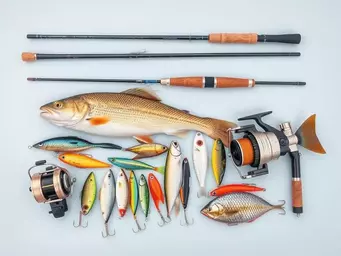
- Gear: Proper selection of rods, reels, and jigs.
Appeal for New Anglers
- Quick Learning: Basics are easy to pick up.
- Active Participation: Engages you with the water.
- Versatile: Works for diverse fish species.
Key Takeaways & Insights
- Variety of Styles: Lift-and-drop, snap jigging.
- Crucial Gear: Rod, reel, jigs match target species.
- Avoid Pitfalls: Over-jigging, poor line control.
- Environmental Factors: Weather, water clarity, season.
Understanding the Basics of Jigging for Beginners
As a passionate angler, my journey has often led me to the exciting world of jigging. If you're new to fishing or looking to broaden your skills, understanding the fundamentals of jigging can open up a whole new level of excitement on the water. This technique is not only effective but also incredibly engaging, making it a favorite among anglers of all skill levels.
To get started, let’s dive into the basics and see what jigging is all about. It involves using a weighted lure, known as a jig, which is designed to be lifted and dropped in a rhythmic motion. This movement mimics the action of prey, enticing various fish species to strike. Are you ready to learn more? Let’s go!
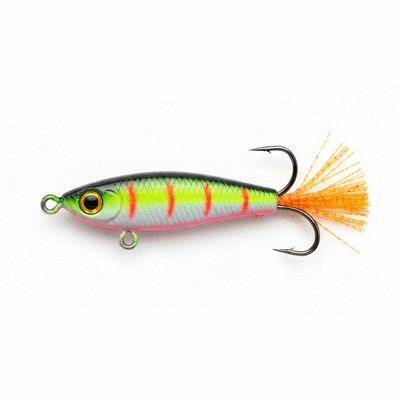
Defining Jigging: What Every Beginner Should Know
Jigging is a method that utilizes the weight of the jig to create a vertical presentation in the water. This technique can be performed from a boat or while ice fishing, making it incredibly versatile. It’s essential to understand a few key points, as highlighted by resources like the National Park Service:
- Jig Types: There are various jigs available, each designed for specific fishing conditions and target species.
- Techniques: Different techniques exist, including lift-and-drop, snap jigging, and slow-pitch jigging, each offering unique advantages.
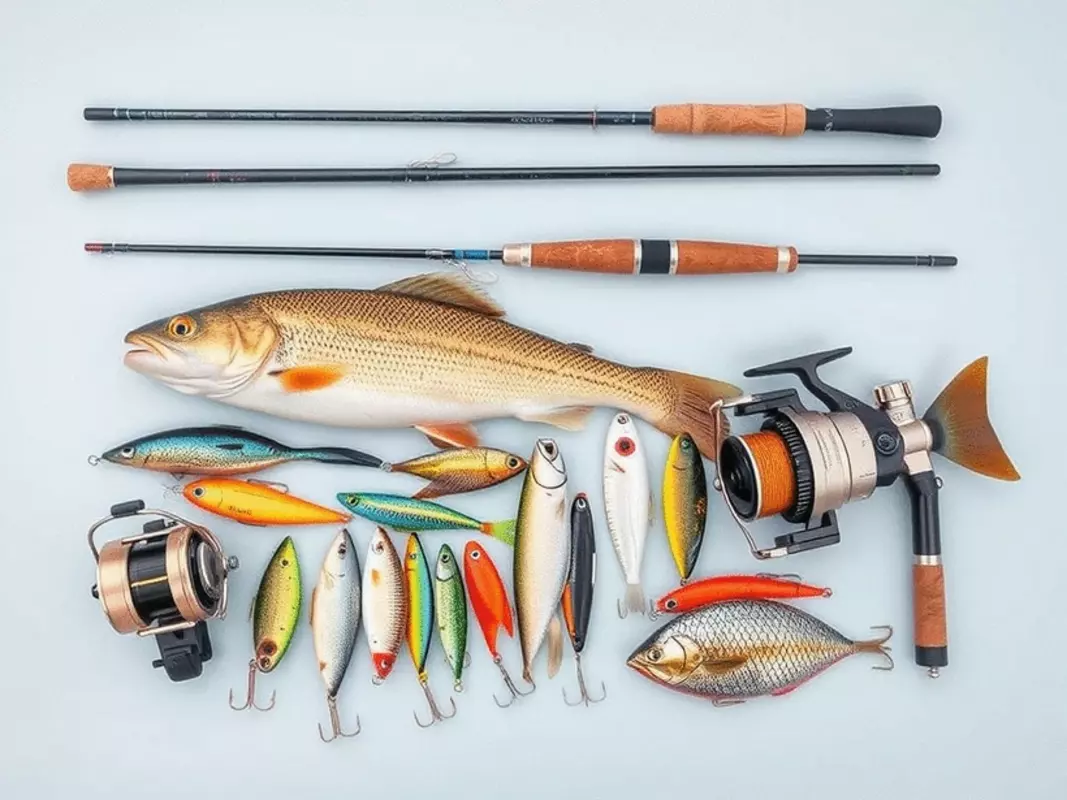
- Gear: Proper gear selection is vital for successful jigging, from rods to jigs that match the target fish.
By grasping these fundamentals, you'll be well-equipped to embark on your jigging adventure. Each aspect plays a significant role in your overall success, so take the time to familiarize yourself with these concepts!
The Appeal of Jigging for New Anglers
One of the main reasons I love jigging is its accessibility for beginners. With minimal gear requirements and straightforward techniques, it's perfect for those just starting their fishing journey. Moreover, it brings a sense of thrill with every cast and retrieve, as you actively engage with the water. The anticipation builds as you feel that tug on your line!
Many anglers have shared their excitement about jigging, and I can honestly say it has helped me connect deeper with the sport. Here are some reasons why beginners find jigging appealing, as discussed by FishNY:
- Quick Learning Curve: You’ll pick up the basic techniques quickly and be ready to hit the water.
- Active Participation: Jigging keeps you engaged, allowing you to adapt your technique based on conditions.
- Versatile Applications: It works for a variety of species, from bass to walleye, making it a great choice for different fishing scenarios.
Embracing jigging not only enhances your fishing skills but also enriches your experience on the water. Trust me, once you start, you’ll be hooked!
Essential Jigging Techniques You Can Start Today
Pro Tip
Did you know? The best time to jig for fish is often during the early morning or late evening when fish are most active. Additionally, varying your jigging speed can entice more strikes—try mixing up your rhythm to mimic the erratic movements of prey!
Frequently Asked Questions About Jigging
Recap of Jigging Insights for New Anglers
As we wrap up our exploration of jigging, it’s essential to reflect on the key takeaways from your journey so far. Jigging is not just about the technique; it’s about understanding the water, the fish, and your gear. Here are some core insights to remember:
- Jigging can be approached in various styles such as lift-and-drop or snap jigging, each with its unique advantages.
- The right gear is crucial for success—your rod, reel, and jigs must match the species you're targeting.
- Common pitfalls include over-jigging and poor line control, which can severely impact your success on the water.
- Environmental factors like weather, water clarity, and seasonal changes play a significant role in jigging strategies.
By keeping these points in mind, you will be better prepared to tackle challenges and enjoy the thrill of fishing. Don't forget, every cast is a learning opportunity!
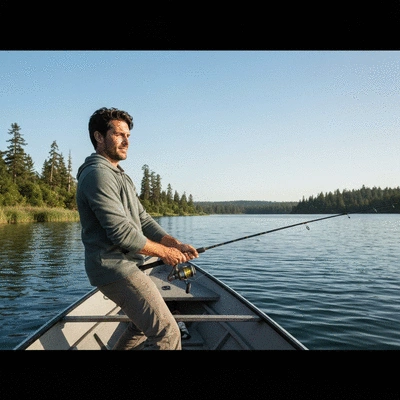
Next Steps for Aspiring Jigging Enthusiasts
Where to Find Additional Resources and Community Support
As you continue to refine your jigging skills, consider tapping into resources that can enhance your learning experience. Here are some places to look:
- Addict Fishing: Our online magazine is packed with tutorials, reviews, and community stories that inspire and educate.
- Fishing Forums: Join online communities where you can ask questions and share experiences with other anglers.
- YouTube Channels: Visual content can be incredibly helpful. Look for reputable channels that focus on jigging techniques.
Connecting with fellow anglers can provide you with valuable insights and encouragement as you pursue your passion for fishing.
Encouragement to Get Out and Practice Your Skills
Ultimately, the best way to improve your jigging techniques is to get out on the water! Every fishing trip presents a new chance to hone your skills and discover what works best for you. Remember, practice makes perfect—so don't hesitate to try different techniques and adapt them to your style. Make each outing an adventure, and most importantly, enjoy every moment spent with nature.
As I always say, the thrill of fishing lies not only in the catch but in the shared experiences and the stories we create along the way. So grab your gear, head out, and let’s make some unforgettable memories together!
Recap of Key Points
Here is a quick recap of the important points discussed in the article:
- Jig Types: Familiarize yourself with different jig types suitable for specific fishing conditions and target species.
- Techniques: Explore various jigging techniques, including lift-and-drop, snap jigging, and slow-pitch jigging, each with unique advantages.
- Gear Selection: Choose the right gear—rods, reels, and jigs—that match the species you are targeting for successful jigging.
- Active Participation: Engage actively with the water, enhancing your experience and adaptability to changing conditions.
- Learning Opportunities: Every fishing trip is a chance to learn, so embrace each cast as a new experience.